Grounded clinical evaluation and tissue-sparing pilonidal care in Vasant Kunj
🩺 Written/Medically Fact-Checked by: Dr. Ravinder Sharma, MS (Ayurveda) General Surgery
🎯 Clinical Focus: Pilonidal Sinus Pathophysiology & Tissue-Sparing Outpatient Care
📍 Service Areas: Vasant Kunj | Saket | Malviya Nagar | Chattarpur | South Delhi
📜 Board Registration: DBCP/A/10523 (Board of Ayurvedic & Unani Systems of Medicine)
⏱️ Reading Time: 6 Minutes
Pilonidal Sinus Hair Entry & Tissue-Sparing Care
Understanding pilonidal sinus hair entry explains why a painful, draining pit often develops right at the top crease of the buttocks even in people who maintain strict daily hygiene. Rather than starting as an internal bone infection or a congenital cyst, clinical evidence shows that most cases begin when shed or trimmed hair shards mechanically penetrate softened skin near the tailbone. At Piles To Smiles in Vasant Kunj, identifying these entry pits early supports gentle, tissue-sparing outpatient care without prolonged hospital stays.
Mechanics of Pilonidal Sinus Hair Entry in Tailbone Skin
A human hair shaft is not a smooth cylinder. Under magnification, its outer layer (the cuticle) consists of overlapping keratin scales arranged like roof shingles. When a short, stiff hair fragment from the scalp, neck, or lower back settles into the deep groove between the buttocks, everyday movement can drive it forward.
Three physical forces work together during pilonidal sinus hair entry:
Skin Softening (Maceration): Warmth and sweat trapped in the midline crease soften the outer skin barrier and widen small hair or sweat pores.
One-Way Ratchet Motion: Walking, sitting, or shifting weight creates friction between the buttocks. Because keratin scales face one direction, a loose hair shard advances root-first like a tiny one-way needle.
Negative Suction Pull: Rising from a seated position or leaning forward stretches the gluteal cleft, creating slight suction that draws surface hair and skin debris inward.
From Surface Pit to Subcutaneous Sinus Tract
Once hair enters the skin barrier, the body reacts to the keratin shaft as a foreign body. Local immune cells gather around the trapped fragment, forming a small midline opening known as a primary pit. Over time, additional loose hairs can enter the same channel and create a tunnel beneath the skin.
If bacteria enter this tunnel, acute swelling and pus collection can follow. Patients noticing sudden soreness or a tender lump near the tailbone benefit from structured evaluation—as covered in our guide on tailbone lump diagnosis and differential care—to distinguish a pilonidal tract from a localized sacral abscess or chronic skin condition.
Evaluating Pilonidal Sinus Hair Entry Stages & Care
Care priorities for pilonidal sinus hair entry depend on whether the tract is an uncomplicated midline pit or has developed deeper branching channels:
Clinical Stage
Anatomical Finding
Primary Care Objective
Early Midline Pit
Small dimples in the gluteal cleft with minimal discharge and no active swelling.
Hair clearance, targeted hygiene, and preventing deeper tract formation.
Acute Infected Abscess
Tender, swollen, warm lump near the tailbone caused by trapped pus and debris.
Gentle, controlled drainage to relieve pressure before definitive tract care.
Chronic Branching Tract
Established track under the skin with secondary openings and recurring staining.
Targeted tract cleansing via tissue-sparing Ksharsutra or minimally invasive care.
Tissue-Sparing Outpatient Care in South Delhi
People commuting from Saket, Malviya Nagar, and Chattarpur to our Vasant Kunj clinic often worry about large surgical cuts that require weeks of open dressing changes and long work absences. Tissue-sparing parasurgical protocols—including medicated Ksharsutra therapy—treat the narrow sinus tract directly while preserving healthy surrounding tissue.
By gradually clearing unhealthy tract tissue and supporting natural healing from within, outpatient care lets most patients return home the same day. Similar to our approach for minimally invasive anal fistula care, protecting healthy anatomy keeps recovery focused and manageable.
Preventing Future Pilonidal Sinus Hair Entry & Care
Rinse After Haircuts: Shower promptly after scalp or beard trims so loose cut hair fragments do not settle into the lower back crease.
Keep the Midline Dry: Pat the gluteal cleft dry after bathing and wear breathable cotton clothing during warm, humid Delhi weather.
Break Up Prolonged Sitting: Stand and walk briefly every hour during desk work or long drives to ease pressure and suction across the tailbone crease.
Ongoing Hair Reduction After Healing: Once a treated sinus tract or midline pit has fully healed, consistent hair removal in the gluteal cleft—such as careful trimming or laser hair reduction—helps limit loose hair accumulation and repeat skin entry.
Frequently Asked Questions
Does pilonidal sinus happen because of poor personal hygiene?
No. Pilonidal sinus hair entry is driven mainly by friction, gluteal cleft shape, and loose hair shards rather than lack of cleanliness. Even people who shower daily can develop midline pits when shed hairs get trapped during sitting or walking.
Why can loose hair pierce healthy skin without a cut?
Microscopic keratin scales on hair shafts point in one direction. When warmth and moisture soften the skin in the buttock crease, friction from sitting or walking can advance a loose hair root-first into softened pores.
Can pilonidal sinus care be managed on an outpatient basis?
Yes. Clinical evaluation, pit clearance, and tissue-sparing Ksharsutra care at our Vasant Kunj clinic are performed on an outpatient basis, allowing patients to return home the same day without extended hospital stays.
Schedule a Gentle Evaluation in Vasant Kunj
Noticing a tiny pit, mild fluid staining, or recurring tenderness near your tailbone? Consult Dr. Ravinder Sharma for a clear clinical assessment and tissue-sparing care plan.
Medical Disclaimer: The information provided in this article is purely educational and based on published clinical protocols. It is not intended to be a substitute for direct physical clinical evaluation, digital rectal examination, or individualized surgical advice from a qualified proctologist.
Addressing workplace sitting discomfort through expert proctology care in South Delhi.
🩺 Medically Fact-Checked and Written by:Dr. Ravinder Sharma, MS (Ayurveda) General Surgery
🎯 Clinical Focus:Patient Recovery Story & Minimally Invasive Care
📍 Service Areas:Vasant Kunj | Saket | Malviya Nagar | Chattarpur | South Delhi
⏱️ Reading Time: 8 Minutes
For many desk workers and office professionals across Delhi-NCR, dealing with chronic office sitting discomfort is a quiet, frustrating physical struggle. Shifting restlessly in your chair, constantly adjusting your posture, or wincing when you stand up after a long meeting are common signs that something deeper is wrong. Often dismissed as simple fatigue or a bad chair, this deep pelvic pressure is usually your body’s early warning sign of an underlying issue near the lower back and anal area.
When sitting down feels like a chore because of a dull ache, a recurring lump, or unexpected fluid staining, it is easy to let embarrassment delay getting help. Many patients across South Delhi try to cope using drugstore creams or special cushions, letting weeks turn into months. Unfortunately, waiting allows simple problems like small fistulas, painful cracks, or piles to turn into stubborn issues that interfere with everyday life.
As the Chief Consulting Proctologist at Piles To Smiles in Vasant Kunj, my 18+ years of practice have taught me that bridging the gap between workplace distress and expert care is essential. Today, we will look at a real patient story of how office-induced discomfort was turned into a permanent, stress-free recovery.
Real Patient Story: Overcoming Office Sitting Discomfort
To see how office sitting impacts healing, consider Vikram (name changed for privacy), a 38-year-old IT manager living in Vasant Kunj who commutes daily to an office in Saket. For over eight months, Vikram dealt with dull throbbing and minor staining on his clothes, assuming it was just the toll of sitting in front of a computer all day.
He tried home remedies like memory foam cushions, soothing warm baths after work, and various over-the-counter creams. While these tricks offered temporary relief, work deadlines would hit, his sitting hours would spike, and a painful, boil-like lump would swell near his lower buttock. It would burst, drain, flatten out, and then return weeks later in the exact same spot.
Tired of the constant worry and the fear of discomfort during work hours, Vikram finally booked a private, confidential consultation at our proctology clinic in Vasant Kunj.
Why Long Hours at a Desk Aggravate Office Sitting Discomfort
During a gentle physical checkup and a quick look with a specialized tube (anoscopy) at our clinic, we found the true cause of Vikram’s trouble: a small, deep tunnel known as an anal fistula, which had started from a blocked gland inside.
Sitting at a desk for hours fuels office sitting discomfort in a few direct ways:
Trapped Blood Flow: Sitting heavily puts constant pressure on your lower pelvic area, slowing down blood circulation and trapping inflammation right where you don’t want it.
Heat and Moisture: Office trousers and padded chairs trap natural body heat and sweat, creating an inviting space for bacteria around the skin opening.
Tense Muscles: Work stress and long sitting hours make you tighten your lower pelvic muscles without realizing it, which spikes pressure and stops the body from healing naturally.
Vikram had previously visited a regular hospital surgeon who suggested a traditional surgery involving cutting through the delicate muscles around the area. Terrified of losing control of his bowel movements and missing weeks of work, Vikram had put off treatment. That fear is very common among patients traveling from Malviya Nagar, Chattarpur, and Vasant Vihar who worry that surgery will ruin their careers.
Knowing Vikram needed a permanent solution without the dangers of traditional muscle-cutting surgery, we discussed Ksharsutra therapy—a trusted, time-tested approach backed by extensive medical studies.
Instead of cutting away tissue and leaving a large, open wound, Ksharsutra uses a special medicated thread coated with safe herbal extracts. Placed gently along the trouble track, it works through two simple steps:
Clearing the Track: The medicated coating cleanses and heals the infected inner walls of the tunnel, allowing it to close naturally from the inside out.
Protecting Your Muscles: Unlike old-fashioned surgery that cuts through vital muscles, this method heals the area gradually without damaging your natural control, meaning you can get back to light desk work within a day or two.
For Vikram, this meant no hospital stay, no general anesthesia, and no downtime from his job. He simply dropped by our Vasant Kunj center for quick weekly check-ins while continuing his regular work in Saket.
🌿 Doctor’s Perspective: Breaking the Silence on Workplace Discomfort
“Embarrassment is the biggest hurdle when dealing with lower body issues. Many professionals sit quietly at their desks in pain for months, fearing scary hospital procedures or awkward talks. Modern care means you don’t have to choose between your health and your career. A quick, private diagnosis is all it takes to get your daily comfort back.”
— Dr. Ravinder Sharma, MS (Ayurveda) General Surgery
Simple Desk Habits to Prevent Office Sitting Discomfort
Getting back to office work after treatment is easy when you follow a few practical habits to keep the area comfortable and prevent recurring office sitting discomfort:
The 50-Minute Rule: Avoid sitting straight for hours. Set a quiet reminder to stand up, stretch, or walk around for 5 minutes every hour to ease pressure.
Supportive Cushions: Use an ergonomic ring cushion or a cutout pillow that shifts your weight away from sensitive areas onto your thighs.
Water and Fiber: Office life makes it easy to forget water and fiber. Drink 2.5 to 3 liters of warm water daily and eat fresh fiber to keep your digestion smooth and effortless.
Gentle Warm Baths: Clean the area with a warm water soak (Sitz bath) after using the restroom, and gently pat dry with soft gauze instead of rubbing.
Can sitting at an office desk cause a fistula or piles?
Sitting for long hours doesn’t create the initial infection inside an anal gland, but it makes existing problems worse. Constant pressure slows down blood flow and traps heat, aggravating symptoms of piles, fissures, and fistulas.
How soon can I go back to work after starting treatment?
Ksharsutra therapy is an outpatient procedure that requires no hospital stay. Most patients comfortably return to light desk duties within 24 to 48 hours.
Why do old-fashioned surgeries carry a risk of muscle damage?
Traditional surgeries physically cut through portions of the anal muscles to open up the tract, which can sometimes lead to weak bowel control. Modern options like Ksharsutra avoid cutting muscle fibers altogether.
How do I know if my recurring lump is a boil or a fistula?
Standard skin boils usually clear up with antibiotics and rarely return in the exact same spot. A fistula keeps recurring in the identical location because it connects to an internal opening inside. A quick professional check is all it takes to find out for sure.
Exploring tissue-preserving, non-surgical Ksharsutra care for complex diabetic perianal tracts at Piles To Smiles, Vasant Kunj.
🩺 Written/Medically Fact-Checked by: Dr. Ravinder Sharma, MS (Ayurveda) General Surgery 🎯 Clinical Focus: Complex Diabetic Fistula Care | Non-Surgical Ksharsutra Therapy Vasant Kunj 📍 Service Areas: Vasant Kunj | Chattarpur | Saket | Malviya Nagar | South Delhi
⏱️ Reading Time: 7 Minutes
When a painful swelling or boil near the anal region bursts or gets drained by a doctor, it is an acute abscess. For most people, it heals up. However, if you manage diabetes and a recurring tract, exploring a specialized diabetic perianal fistula ksharsutra treatment pathway changes your long-term recovery outlook.
Patients walking into our Vasant Kunj clinic often feel exhausted: multiple minor drainages, heavy antibiotics, or laser treatments done elsewhere, yet the fluid discharge, swelling, and throbbing pain keep coming back. Understanding how diabetes affects deep tissue repair explains why standard cutting or laser sealing falls short—and why our diabetic perianal fistula ksharsutra protocol offers a permanent fix. (If you notice tailbone-specific sinus discharge instead, cross-check our guide on pilonidal sinus care).
To see why standard procedures struggle in diabetic patients, look at what high blood sugar does beneath the skin:
1. Starved Tiny Blood Vessels
Chronically high blood sugar stiffens and narrows the micro-vessels feeding deep tissue. Without smooth blood flow carrying oxygen and repair cells, deep tissue struggles to close a wound cleanly.
2. Slower Local Clean-Up
Immune cells work sluggishly in high-sugar environments, leaving microscopic bacterial traces lingering inside the original glandular source.
3. Trapped Fluid Behind Hardened Scar Walls
When laser or fast closure tries to seal the tunnel shut, poor underlying healing leaves a stiff scar tube instead of solid tissue. If fluid cannot escape continuously, it builds up and forms a fresh abscess.
Traditional deep cutting operations slice through the muscle sphincter complex. In diabetic tissue with weak circulation, this often creates slow-healing open wounds, bleeding risks, or muscle control weakness.
Comparing Treatment Approaches
How different paths stack up for diabetic or complex perianal tracts:
Swipe table horizontally to view completely →
Comparison Factor
Traditional Open Cutting Surgery
Laser Heat Sealing
Standardized Ksharsutra Therapy
What It Does
Slices open the entire tunnel and surrounding muscle layers.
Burns/collapses the inner lining with thermal fiber.
Gently cleans, drains, and divides tissue step-by-step.
Diabetic Healing
High chance of delayed, unhealed surgical edges.
High reopening rate if the hardened core stays behind.
Continuous drainage stops fluid trapping while fresh blood builds up.
Muscle Control Risk
Moderate-to-high risk depending on depth cut.
Low risk if muscle is bypassed.
Zero (gradual progression anchors muscle safely).
Repeat Issue Rate
15% to 30% in complex cases.
25% to 40% re-flare rate.
Under 5% in multi-center clinical data.
Recovery Style
Hospital stay, deep packing, long recovery.
Low initial pain, higher long-term failure.
Daycare visit; walk out and continue light routine.
How Diabetic Perianal Fistula Ksharsutra Heals Without Surgery
Ksharsutra is a specialized medicated herbal thread placed gently inside the tunnel tract from end to end. Instead of a single violent surgical slice, it works naturally over time:
1. Open Drainage Channel
Keeps the pathway open so daily fluids drain out cleanly instead of pooling into a painful lump.
2. Gentle Clearing of Hardened Lining
The herbal coating dissolves the stiff, unhealthy tract lining and clears lingering bacteria safely.
3. Fresh Tissue Growth from Bottom Up
As the thread moves microscopic distances daily, healthy new pink tissue anchors firmly behind it, closing the tract permanently.
Care Across South Delhi
Patients visiting us from Chattarpur, Saket, Malviya Nagar, and Vasant Vihar often share how tired they are of repeat flare-ups. Managing diabetic fistula cases means coordinating gentle proctological care alongside blood sugar control so tissue repair actually sticks.
Frequently Asked Questions
Why do laser treatments often fail for diabetic fistulas?
Laser heat shrinks the tunnel walls, but poor blood flow in diabetes means healthy tissue cannot grow over the burned tract. If the core infection pocket isn’t chemically cleared, the tunnel opens again.
Do I need bed rest during Ksharsutra therapy?
No bed rest required. You walk out after the short daycare session and continue light office or home work normally.
Will this affect my muscle control?
No. Traditional deep cutting can weaken control, whereas microscopic cutting-and-healing keeps your sphincter muscle structure safe and intact.
Objective clinical comparison of recovery timelines and pain scores at Piles To Smiles, Vasant Kunj.
Review Kshar Karma recovery data versus conventional surgery. Compare pain scores, healing times, and daycare safety in Delhi.
Medically Fact-Checked by Dr. Ravinder Sharma, MS (Ayurveda) General Surgery.
Chief Consulting Proctologist | Piles To Smiles, Vasant Kunj, New Delhi
Specialization: Anorectal Surgery, Kshar Karma & Ksharsutra Therapy | This comparative data audit analyzes physiological recovery metrics across modern and parasurgical hemorrhoid treatments.
When evaluating treatment options for advanced hemorrhoids (piles), patients often balance immediate surgical relief against post-operative pain, recovery duration, and the risk of anal canal narrowing (stricture). Analyzing objective clinical evidence helps patients make informed decisions based on their specific anatomical needs.
Reviewing objective kshar karma recovery data highlights clear differences in tissue preservation, daily post-procedure pain scores, anesthetic requirements, and time required to return to normal work routines compared to conventional surgery.
🩺 Considering hemorrhoid treatment and reviewing procedure options?
Consult directly with Dr. Ravinder Sharma for a detailed clinical assessment of your hemorrhoid grade and suitable treatment options.
Analyzing Kshar Karma Recovery Data vs Surgical Hemorrhoidectomy
Conventional surgical hemorrhoidectomy (Milligan-Morgan or Ferguson technique) involves excision (cutting away) of enlarged vascular cushions. In contrast, Kshar Karma involves applying a specialized alkaline herbal paste (Kshar) that gently coagulates hemorrhoidal blood vessels, causing the tissue to shrink naturally over 7–10 days without scalpel cutting.
Clinical Recovery Variable
Conventional Hemorrhoidectomy
Specialized Kshar Karma Therapy
Primary Mechanism
Surgical excision of vascular tissue
Alkaline chemical cauterization & tissue shrinkage
Anesthetic & Facility Requirement
General or Spinal Anesthesia with mandatory overnight hospital stay
Local Anesthesia / Minimal Sedation in a daycare outpatient setting
Average Off-Work Period
14 – 21 Days
3 – 5 Days
Post-Procedure Pain Score (VAS 1-10)
7.5 / 10 (Moderate to Severe)
2.8 / 10 (Mild to Moderate)
Tissue Preservation & Canal Integrity
Higher tissue removal; risk of scarring
High mucosal preservation; minimal scarring
Hospital Stay Requirement
1 – 2 Days (Inpatient admission)
Daycare procedure (Same-day discharge)
How Kshar Karma Works: Kshar Karma Recovery Data Insights
Kshar Karma is an Ayurvedic parasurgical procedure designed to treat internal hemorrhoidal masses without open surgical wounds. The process relies on controlled chemical action rather than thermal or mechanical cutting:
1. Precise Application of Medicated Alkaline Paste
Under proctoscopic visualization, a specialized alkaline paste derived from herbal ashes (Apamarga Kshar) is applied directly onto the internal pile mass. Healthy surrounding tissues are masked and protected throughout the application.
2. Coagulation of Hemorrhoidal Blood Vessels
The alkaline properties (pH ~10–11) induce instant chemical coagulation and protein denaturation in the hypervascular plexus supplying the hemorrhoid, turning the mass dark (Pakva stage) within minutes.
3. Controlled Tissue Sloughing and Shrinkage
The treated tissue undergoes gentle necrosis over the next 5–7 days, detachment occurs naturally during bowel evacuation, and the underlying mucosal lining heals cleanly with minimal residual scarring.
Understanding Tissue Preservation in Kshar Karma Recovery Data
A critical clinical factor in anorectal recovery is preserving the sensitive mucosa of the anal canal. When open surgical incisions are made inside the canal, healing occurs by secondary intention, requiring meticulous wound care and sitz baths for several weeks.
Reduced Risk of Anal Stricture
Excessive removal of skin and mucosa during conventional surgery can lead to fibrous scar tissue, narrowing the anal opening (stricture). Because Kshar Karma preserves the intervening healthy mucosal bridges, the natural flexibility and caliber of the anal canal remain intact.
🩺 Need a personalized review of your hemorrhoid condition?
Visit our Vasant Kunj facility for an accurate clinical grading and tissue-preserving recovery plan.
Applying Kshar Karma Recovery Data in Clinical Practice
Evaluating clinical data empowers patients to select the treatment strategy that aligns best with their personal recovery timeline and pain tolerance. For 2nd, 3rd, and select 4th-grade internal hemorrhoids, Kshar Karma provides an evidence-backed, minimally invasive approach with rapid return to daily activity.
If you are seeking expert hemorrhoid care across Saket, Malviya Nagar, or Chattarpur, consult piles treatment specialists near Chattarpur at Piles To Smiles in Vasant Kunj, New Delhi.
Frequently Asked Questions
Is Kshar Karma treatment painful compared to traditional hemorrhoidectomy?
Clinical data indicates significantly lower post-procedure pain scores for Kshar Karma compared to traditional surgery, as there is no scalpel cutting of sensitive anal canal mucosa.
How many days of rest are needed after Kshar Karma for piles?
Most patients resume normal, light daily activities within 3 to 5 days after Kshar Karma, whereas open surgical recovery often requires 2 to 3 weeks of strict bed rest.
What anesthesia is required for Kshar Karma vs conventional hemorrhoidectomy?
Conventional hemorrhoidectomy typically requires spinal or general anesthesia with an overnight hospital stay. Kshar Karma is performed under local anesthesia or mild sedation in a daycare outpatient setting, allowing same-day discharge.
Understanding how prolonged abdominal pressure during evacuation compromises muscle support and shifts internal alignment.
This clinical breakdown analyzes why corporate professionals face issues where chronic bowel straining shifts pelvic floor alignment, contrasting standard excision with specialized Ksharsutra therapy.
Written/Medically Fact-Checked by Dr. Ravinder Sharma, MS (Ayurveda) General Surgery.
Chief Consulting Proctologist | Piles To Smiles, Vasant Kunj, New Delhi
Clinical research reveals that chronic bowel **straining shifts pelvic floor** alignment over time, altering the mechanical engineering of the entire anorectal region. When the intricate web of musculature, fascia, and ligaments supporting the pelvic organs is subjected to repetitive, localized pressure, a complex cascade of events is triggered. Over months or years, this accumulated dynamic pressure damages the supportive tissue layers. These structural shifts often manifest as advanced hemorrhoidal disease, rectal descent, and complex anorectal fistulae that standard over-the-counter medications fail to resolve.
For chronic sufferers in South Delhi seeking a permanent cure, understanding how this internalized mechanical pressure alters the body’s internal architecture is critical. The structural deviation requires a targeted, non-destructive surgical correction to restore normal functional dynamics.
The Mechanical Anatomy: How Straining Shifts Pelvic Floor Assets
The pelvic floor operates as a responsive, dynamic muscular hammock. Its principal muscle group, the levator ani, must constantly maintain tone while coordinating relaxation during defecation. The alignment is precise—the anorectal angle, crucial for continence, is maintained by the puborectalis muscle pulling the rectum forward against the sacrum.
When severe evacuation difficulties occur, excessive **straining shifts pelvic floor** structures out of their natural positions. The body forces the pelvic hammock to perform two conflicting tasks: intra-abdominal pressure forces the floor downward, while the anal sphincters remain structurally restricted. This imbalance creates massive shear forces across the supportive tissues.
1. Fascial Compromise and Nerve Stretch
Repetitive downward pressure stretches the perineal body and damages the endopelvic fascia, the ‘glue’ that holds the anorectal structures in place. Crucially, chronic straining often compromises the pudendal nerve, further degrading the coordinated responsiveness of the muscles, leading to incomplete evacuation.
2. Alteration of the Anorectal Angle
As fascia stretches, the rectum descends too far. The natural anorectal angle becomes obtuse (straightened), which actually facilitates rectal contents entering the anal canal even when not ready, increasing the feeling of incomplete evacuation and promoting further straining.
3. Structural Displacement of Anorectal Assets
This structural compromise allows healthy rectal tissue to begin protruding downward, creating internal rectal intussusception or full-thickness prolapse. In the anal canal, this downward pressure forces the rich vascular cushions (piles) to dislodge from their anchors and prolapse externally.
Standard medical management often only addresses the superficial symptoms like temporary bleeding or pain, leaving the fundamentally altered structural matrix completely intact. Because chronic **straining shifts pelvic floor** alignment permanently, a physical deviation requires a targeted physical intervention rather than temporary lifestyle changes alone.
To help you evaluate your long-term options objectively, the matrix below outlines the physiological performance, recovery times, and recurrence data of wide-excision surgery compared directly to specialized minimal-access Ksharsutra therapy:
Recovery Parameters
Wide Surgical Excision
Specialized Ksharsutra Therapy
Tissue Alteration
Aggressive removal of skin and healthy subcutaneous fat layers.
Minimal-access insertion directly through existing surface pits.
Working Downtime
Requires 7 to 14 days of strict bed rest; no office sitting allowed.
Zero hospitalization; return to standard desk work within 24 to 48 hours.
Mechanism of Action
Mechanical cutting leaving a large fill-in defect or high-tension scar line.
Gradual plant-derived chemical debridement and continuous micro-drainage.
Recurrence Rate
Rages between 10% to 25% due to missed branching tracks.
Statistically proven to be less than 1% globally.
Ksharsutra Treatment for Conditions Where Straining Shifts Pelvic Floor Alignment
Instead of invasive, muscle-destructive cutting that further destabilizes a weakened pelvic floor hammock, specialized minimal-access Ksharsutra therapy is designed to provide targeted structural debridement. The plant-derived medicated linen thread safely eliminates tracking networks from the inside out, prepared with 21 separate layers of organic alkaline coatings and natural healing enzymes.
As detailed in our comprehensive analysis on securing a pilonidal sinus permanent cure in Delhi via specialized ksharsutra, this approach works through a steady, two-fold biological action. The specialized alkaline layers perform continuous chemical cleaning, safely dissolving hardened scar tissue and flushing out debris without disturbing healthy skin, while ensuring constant micro-drainage to prevent fluid accumulation.
Consult a Specialized Proctologist in South Delhi
When chronic evacuation pressure has physically altered your local anatomy, patients must shift from basic primary care to advanced, comprehensive proctology diagnostics. Anorectal disease is a direct manifestation of internalized mechanical forces, and a definitive diagnosis is the first step toward correcting the engineering failure.
If you are managing the long-term, painful consequences of chronic strain across Malviya Nagar, Saket, or South Delhi, consulting a highly qualified specialist can provide the precise evaluation required. Don’t wait; secure a detailed evaluation from a trusted piles specialist doctor in Vasant Kunj near Fortis at Piles To Smiles to break the cycle of mechanical decline.
Frequently Asked Questions on Pelvic Floor Straining
How can chronic straining physically change the location of my internal organs?
Chronic straining causes relentless, intense downward pressure within the abdomen. This pressure stretches and damages the endopelvic fascia and levator ani muscle hammock, which serve as the internal anchor system for the rectum. Once this supportive “glue” is compromised, the organs lose their structural alignment and begin to descend or prolapse.
What is the pudendal nerve, and how does straining affect it?
The pudendal nerve is the primary sensory and motor nerve for the pelvic region. Excessive, repetitive straining causes nerve stretch injuries (pudendal neuropathy). This degradation reduces the sensitivity of the anal canal and coordinates poor muscular response, leading to obstructive defecation patterns and further structural destabilization.
Why does a shifted pelvic floor often lead to recurring hemorrhoids or fistulae?
Hemorrhoids are often dislodged assets that prolapse due to the structural compromise. Advanced, complex fistulae thrive in the deep, anatomically obscured tissue spaces created by chronic rectal descent or internal weakness. Ksharsutra is specifically used to debride these complex tracking networks that have embedded within the fundamentally weak structural matrix.
📍Clinic Location:Piles To Smiles, Vasant Kunj, New Delhi
⏱Reading Time: 11 Minutes
It begins subtly. A trace of bright red blood on the toilet tissue, a vague sense of fullness after evacuation, or a mild, persistent itch that corporate professionals often brush off as a consequence of a spicy dinner or an exhausting week. However, inside the anal canal, a highly structured mechanical shift is already underway.
Hemorrhoids (commonly known as piles) are not random, spontaneous growths. They are the progressive engorgement and displacement of the naturally occurring vascular cushions that line your lower rectum. In the high-velocity corporate corridors of South Delhi, prolonged desk confinement, structural dehydration from continuous air conditioning, and reliance on heavily processed quick meals serve as silent catalysts, accelerating the degradation of internal connective tissue.
Understanding the exact clinical staging of internal hemorrhoids is essential. It marks the definitive line between a condition that can be managed through specialized behavioral intervention and one that requires advanced, minimally invasive specialized surgical correction.
Deconstructing the Four Stages of Internal Hemorrhoids & Their Core Treatment
At this primary stage, the vascular cushions are inflamed and prominent, but they remain strictly inside the anal canal. They never prolapse past the anal sphincter. The principal clinical sign is painless, intermittent bleeding during defecation, caused by hard waste scraping against the engorged mucosal linings.
Core Clinical Treatment Protocol: At Grade I, targeted adjustments to digestive fire (Agni) and behavioral correction can prevent progression. To directly address bleeding cushions, localized **Kshar Karma** applications (using a specialized therapeutic alkaline paste) can be applied via a proctoscope. This induces immediate, superficial thermal-like coagulation, shrinking the engorged capillaries and completely reversing the inflammation without invasive downtime.
02
Grade II: Spontaneous Prolapse & Reduction
As continuous intra-abdominal strain weakens the supportive Parks’ ligament, the hemorrhoidal mass slides down. During elimination, the tissue emerges outside the anal opening. However, because the structural elasticity is partially intact, the tissue spontaneously slips back inside on its own immediately after the pressure ceases. Patients experience an uncomfortably deep fullness and localized throbbing congestion.
Core Clinical Treatment Protocol: Grade II hemorrhoids respond excellently to minimally invasive interventional management. Specialized **Kshar Karma** (sclerotherapy-like chemical application) or precise **Ksharsutra Ligation** at the base of the cushion is highly successful. This safely stops the arterial inflow feeding the mass, causing it to gradually fibrose and shrink back into its permanent healthy anatomical position.
03
Grade III: Manual Reduction Required
This marks a critical mechanical transition. The internal anchoring fibers have stretched beyond their elastic threshold. The piles mass prolapses during stool passage or even mild physical exertion (like heavy lifting or coughing) and **does not return on its own**. The patient must manually push the tissue back inside. This stage introduces a significantly heightened risk of mucosal mucus discharge, skin irritation, and microscopic tears.
Core Clinical Treatment Protocol: Grade III piles require structured interventional correction. The medical standard here is **Ksharsutra Therapy**. A medicated, alkaline thread is systematically ligated securely around the pedicle of the prolapsed mass. This cuts off the vascular supply while simultaneously delivering specialized healing agents. The mass gently and painlessly sloughs away over 7 to 10 days, while completely preserving sphincter control.
At this terminal stage, the hemorrhoidal masses reside permanently outside the anal verge and cannot be reduced manually. The tissue is highly vulnerable to strangulation, thrombosis, and acute necrosis due to the sphincter muscle constricting its blood supply. Grade IV piles cannot be resolved via dietary adjustments or topical creams; they require definitive interventional correction to remove the diseased tissue structures safely.
Core Clinical Treatment Protocol: Advanced Grade IV cases demand definitive interventional management to eliminate strangulation risks. Advanced **Ksharsutra Surgical Excision** combined with specialized **Kshar Karma** chemical cauterization provides a secure option. The alkaline medication cleanly debrides chronic tissue while preventing active hemorrhage, delivering a precise result with exceptionally low recurrence rates compared to classic open surgery.
The Surgical Paradigm: Why Global Clinical Trials Value Ksharsutra
Conventional allopathic options for advanced hemorrhoids, such as a radical open hemorrhoidectomy, carry well-documented structural risks, including sphincter muscle injury, post-operative anal stenosis, and a notable recurrence rate. This is where long-term clinical data cataloged on international peer-reviewed medical indexes shifts the spotlight to specialized PubMed Central (PMC) Research Profiles.
Controlled clinical reports prove that the application of Ksharsutra (a medicated, alkaline thread) and specialized Kshar Karma acts as a controlled, simultaneous chemical cauterization and mechanical excision. The alkaline medicines steadily debride the engorged vascular tissue, cut off the feeding blood vessel at its root, and allow the mass to naturally slough off. Because it preserves the underlying healthy muscular architecture of the sphincter, it fundamentally minimizes post-operative incontinence and scarring—offering a highly stable, time-tested approach to permanent anorectal longevity.
🌿
A Note on Early Staging and Screening
“The most common mistake I see among corporate professionals in my South Delhi practice is waiting until a Grade II prolapse advances into a painful, bleeding Grade III or IV emergency. Early screening takes less than fifteen minutes but completely changes your therapeutic path. If you are experiencing atypical discomfort but aren’t entirely sure what is happening internally, read our deep-dive diagnostic guide analyzing Piles, Fissure, and Fistula Differences to accurately understand your baseline prior to booking an expert evaluation.”
— Dr. Ravinder Sharma, MS (Ayurveda)
Access Advanced Piles Treatment in Vasant Kunj
You do not have to live with continuous anxiety, localized pressure, or the quiet disruptions of chronic anorectal strain. Whether you are dealing with early Grade I bleeding or complex, recurrent vascular tissue masses, our dedicated facility offers a confidential, clinically accurate diagnosis. By combining advanced anatomical staging with elite, minimally invasive medical standards, we ensure you achieve lasting recovery and absolute comfort.
❓
Are Grade I or Grade II internal piles fully curable without surgery?
▼
Yes, completely. At Grade I and Grade II, the underlying muscle structures and tissue links are heavily intact. Utilizing precise **Kshar Karma** treats the engorged tissue directly in the outpatient room without standard open wounds or surgical incisions. Combined with correction of behavioral triggers and optimization of digestive metrics, the vascular cushions safely return to baseline health permanently.
❓
How does Ksharsutra therapy prevent the recurrence of advanced piles?
▼
Unlike standard conventional excision which simply cuts surface masses, the medicated alkaline actions of **Ksharsutra** steadily strangulate and cut off the primary feeding artery at the very root of the hemorrhoidal cushion. As it sheds, it triggers healthy fibrosis (scar tissue formulation) over the underlying area. This dense connective scar anchors the canal lining firmly back to the muscle framework, closing off future avenues for vascular sliding or dynamic recurrence.
❓
Is a Grade IV irreducible hemorrhoid considered a medical emergency?
▼
It can rapidly transform into one. Because a Grade IV mass sits continuously outside the sphincter loop, the muscle can spasmodically constrict around its base. This cuts off localized venous drainage and arterial supply, triggering acute thrombosis, sudden severe pain, and tissue necrosis (gangrene). Timely diagnostic staging at our South Delhi facility allows us to implement planned, safe, and protective surgical interventions before acute strangulation occurs.
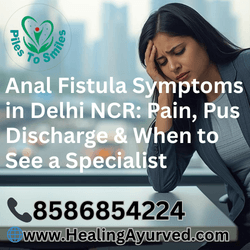
professional woman in a Delhi NCR office shifting uncomfortably in her chair due to anal pain, illustrating symptoms of anal fistula or piles.
Medically Reviewed by: Dr. Ravinder Sharma, M.S. Shalya Tantra (18+ years exp, 5000+ anorectal cases) Practices at a certified Integrative Proctology center in Vasant Kunj, New Delhi. Sources: Mayo Clinic, Cleveland Clinic, NHS, ICMR Studies.
________________________________________
Why Anal Fistula Management is Different in Delhi NCR
Frequent swelling, throbbing pain, or unexpected discharge near the anus are clinical signs that are often misunderstood. In the Delhi NCR region, these symptoms are frequently dismissed as “heat boils” or Hemorrhoids (Piles) caused by the humid weather or spicy food.
However, clinical observations in the capital reveal a different reality. The “Delhi Sedentary Cycle“—characterized by long commutes to hubs like Gurgaon and Noida and high-stress corporate jobs—often exacerbates minor anorectal infections. Unfortunately, delays in diagnosis are common; many patients rely on home remedies until a simple infection evolves into a complex fistula tract.
This guide provides a comprehensive overview of the distinct warning signs of an anal fistula and how to distinguish them from piles. We will also compare evidence-based treatment protocols, ranging from modern Laser therapy to traditional Ksharsutra. ________________________________________
What is an Anal Fistula? (Understanding the Anatomy)
To understand the symptoms, you must visualize the condition. An Anal Fistula (Fistula-in-ano) is not a wound; it is an abnormal, infected tunnel. It acts like a small pipe that connects two points:
Internal Opening: Inside the anal canal (usually where a gland has become infected).
External Opening: On the skin near your anus (often looks like a pimple or hole).
Because this tunnel bypasses your normal body structure, it constantly drains pus, fluid, or fecal matter from inside out onto your skin. Unlike a surface wound, it usually does not heal on its own and often requires surgery or procedural treatment to close the tract. ________________________________________
The “Big Three” Warning Signs
While every case is unique, the classic presentation of an anal fistula almost always involves a combination of three factors. If you experience these, your body is signalling a mechanical problem that medicine alone cannot fix:
Recurrent Discharge (The #1 Sign): Unlike piles, which bleed bright red, a fistula leaks. You may notice pus, blood-mixed fluid, or a sticky wetness that stains undergarments.
The “Cyclical” Boil: Many patients report a recurring painful lump near the anus. It swells, bursts (releasing pus and relieving pain), heals over, and then returns weeks later.
Note: A pimple that returns in the exact same spot is almost always a fistula tract.
Throbbing Pain: Unlike the sharp, glass-like cut of a fissure, a fistula usually causes a dull, constant ache that worsens when sitting, coughing, or moving around.
Other Possible Symptoms (Don’t Ignore These): Sometimes the signs are subtle. Beyond pain and discharge, look out for these often-overlooked indicators:
Fever and Chills: Fever occurs in 20-30% of blocked fistulas (Cleveland Clinic).
Severe Itching (Pruritus Ani): The discharge from a fistula is often acidic and irritating to the skin.
Foul Odor: Many patients notice an unpleasant smell despite maintaining good hygiene, caused by continuous leakage.
Visible Hole or “Sentinel Tag”: You might feel a small, hard lump or a tiny hole (like a pinprick) on the skin near the anus.
________________________________________
How Did This Happen? Common Causes of Fistula
Patients often ask, “Why me? I maintain good hygiene.” It is important to know that a fistula is rarely caused by poor hygiene alone.
Cryptoglandular Infection (90% of cases): Just like sweat glands on our face can get blocked, small mucus-producing glands inside the anus can get clogged. This leads to an anal abscess (a pocket of pus). If this abscess bursts or is drained surgically but the internal track doesn’t heal, it turns into a fistula.
Lifestyle Risk Factors: Low-fiber diets, irregular meals, and chronic constipation—common issues in urban lifestyles—can increase the risk of anorectal infections. Hard stools can injure the anal canal, creating an entry point for infection.
Understanding Local Nuances: The TB Factor. Unlike clinical patterns often seen in the West, medical practice in India (specifically within Delhi NCR) recognizes that certain persistent fistula cases can be linked to Anorectal Tuberculosis.
Symptoms: This often presents atypically, sometimes with watery discharge and minimal pain.
Why It Matters: Addressing the underlying infection before or alongside the procedure is often the key to preventing recurrence and ensuring successful healing.
The Protocol: For complex or recurring cases, medical guidelines recommend a simple screening to ensure the treatment plan is perfectly targeted to your condition.
________________________________________
Is it Piles or a Fistula? (The Confusion)
Accurate identification is crucial. Use this quick comparison:
Feature
Piles (Hemorrhoids)
Anal Fistula
Primary Symptom
Painless, bright red bleeding.
Pus discharge & wetness.
Pain Type
Usually painless (unless thrombosed).
Constant throbbing/aching.
Appearance
Soft lumps slipping out of the anus.
A small boil or hole near the anus.
Cycle
Flares up with constipation.
Cycles of swelling and bursting.
________________________________________
When to See a Specialist: A Triage Guide
Do not self-medicate. Use this guide to determine urgency:
Go to Emergency (ER) If:
You have a high fever (>100°F) with severe anal pain.
You cannot sit or walk due to pain.
You notice sudden, rapidly spreading redness/heat around the anus (a sign of sepsis).
Book a Specialist this Week If:
You see a recurring boil that bursts and returns.
You have persistent pus discharge staining clothes.
Complex Case Monitoring (Requires Specialist)
History of Crohn’s or TB: If you have these conditions and develop even mild anal discomfort, standard treatments may fail. You need a specialized care plan immediately to prevent complications.
Note: This blog post is not a substitute for a full medical evaluation. If you experience persistent rectal bleeding accompanied by unexplained weight loss or a change in bowel habits, a colonoscopy may be required to rule out other serious conditions.
________________________________________
Diagnosis: Standard Medical Protocols
Accurate diagnosis is the prerequisite for effective treatment. Medical guidelines emphasize that success depends on identifying the fistula’s exact path and its relationship to the anal sphincter muscles.
1. Clinical Examination
The diagnostic process begins with a physical evaluation to assess the tract:
Visual Inspection: Locates external openings and checks for visible inflammation.
Digital Rectal Exam (DRE): A manual check to feel the internal tract structure.
Proctoscopy: A visual look inside the rectum to rule out piles or fissures.
MRI Fistulogram (Gold Standard): Provides a detailed 3D map to identify “blind” branches and check muscle involvement.
Endo-anal Ultrasound (EAUS): Uses a small internal probe to map the fistula in real-time. It is often a faster, cost-effective alternative to MRI.
3. Screening for Underlying Causes
For atypical symptoms (like watery discharge), specific tests are required:
Biopsy or PCR Test: These are used to rule out specific infections (like Tuberculosis) or Crohn’s Disease before treatment begins.
________________________________________
Treatment Landscape: A Clinical Comparison
There is no single “best” treatment for an anal fistula. The most appropriate medical intervention depends entirely on the complexity of the fistula tract and the amount of sphincter muscle involved.
Moderate. Post-op pain requires painkillers; open wound care needed.
Minimal. Least painful option; often described as mild discomfort.
Low to Moderate. Less invasive than fistulotomy but requires an incision.
Moderate / Dull. Patients experience a dull, throbbing ache for 12–24 hours after weekly thread changes.
Recovery
4–6 Weeks. Requires daily dressing until fully healed.
2–4 Days. Fast recovery; wound is minimal.
2–3 Weeks. Faster than open surgery, slightly slower than laser.
4–8 Weeks. Patient can work, but treatment is active (requires weekly clinic visits).
Hospital Stay
24 Hours. Usually requires overnight observation or spinal anesthesia.
Day Care (4–6 Hours). Often done under local or short general anesthesia.
24 Hours. Observation required due to the precise nature of the procedure.
Walk-in Procedure (1 Hour). Performed under local anesthesia; no hospital admission required.
Major Downside
Muscle Damage. Permanent risk to bowel control if not performed carefully.
Recurrence in Complex Cases if sealing is incomplete.
Technical Difficulty. Can be challenging to perform on previously operated/scarred tracts.
Time. Requires weekly clinic visits. It is a slow, steady cure rather than an “instant fix.”
Summary: Choose based on tract type; consult for imaging. Clinical success depends heavily on matching the right technique to your specific anatomy rather than relying on a single “best” method.
________________________________________
Clinical Case Patterns: The Risks of “Wait and Watch”
(Based on typical patient profiles observed in Delhi NCR) In the Delhi NCR region, two distinct patient profiles are frequently observed in proctology practice. Understanding these profiles can help patients recognize if they are caught in a similar cycle of misdiagnosis.
Case Profile 1: The “Antibiotic Trap” (The Corporate Professional)
The Profile: 34-year-old male, Software Architect from Gurgaon.
The Symptoms: The patient developed a painful boil near the anus during a high-stress period. After visiting a local chemist and taking a course of antibiotics, the swelling subsided. However, the boil returned two months later. This cycle repeated four times over a year, with the patient attributing it to “heat” from prolonged sitting.
The Diagnosis: Upon specialist consultation, it was determined that this was not a simple boil. The infection, constantly suppressed by antibiotics but never drained, had burrowed deeper into the muscle, forming a “Horseshoe Fistula” (a complex tract curving around the anal canal).
The Outcome: While a simple abscess could have been treated immediately, the resulting complex fistula required a graded Ksharsutra treatment to slowly cut the tract without risking damage to the sphincter muscles.
Clinical Insight: If a boil returns in the exact same spot even once, it is highly indicative of a fistula. Antibiotics effectively silence the symptoms temporarily but do not close the internal tunnel.
Case Profile 2: The “Silent” Recurrence (The Hidden TB Link)
The Profile: 42-year-old female, Teacher from South Delhi.
The Symptoms: The patient had undergone surgery for a fistula two years prior but continued to experience a thin, watery discharge. The symptoms were not painful, but persisted as uncomfortable and embarrassing. Previous evaluations had attributed this to “slow healing.”
The Investigation: Due to the atypical presentation (watery, painless discharge), diagnostic protocols required an MRI Fistulogram and specific PCR testing for tissue analysis.
The Diagnosis: The patient was diagnosed with Anorectal Tuberculosis, a condition statistically significant in Delhi but often overlooked. The failure of the previous surgery was attributed to the untreated underlying bacterial infection.
The Outcome: Surgical intervention was paused in favor of a government-approved DOTS (anti-TB) regimen. Once the infection load was reduced medically, a minor procedure was performed to permanently close the tract.
Clinical Insight:In Delhi NCR, “silent” fistulas with watery discharge often require TB screening. Operative procedures may fail or recur if the underlying tuberculosis infection remains active.
________________________________________
Can You Prevent an Anal Fistula? (Practical Tips)
While infections are unpredictable, you can significantly lower your risk by preventing an anorectal abscess—the primary starting point of a fistula.
Manage the “Delhi Diet”: Straining creates micro-tears. Limit red chillies and oily street food. Boost fiber (25–30g daily) with seasonal greens and Papaya.
Break the Sedentary Cycle: Prolonged sitting restricts blood flow to the pelvic region. Follow the 45/5 Rule: For every 45 minutes of sitting, stand or walk for 5 minutes.
Hygiene: Gentle is better. Wash with water; avoid harsh soaps or aggressive scrubbing.
The “Golden Hour” Rule (Crucial): Nearly 50% of untreated abscesses turn into fistulas. If you feel a painful, throbbing lump, do not wait for it to burst naturally. See a specialist immediately to have it drained. Early drainage stops the tunnel from forming.
________________________________________
Choosing a Provider for Fistula Treatment in Delhi NCR
New Delhi functions as a major medical hub. When evaluating medical facilities, patients should consider the following clinical standards to ensure accurate diagnosis and safe treatment.
Check
Criterion
Why It Matters
[ ]
Specialization: Is the provider a dedicated Proctologist or Colorectal Surgeon?
General surgeons treat the entire body; Proctologists focus exclusively on the anal canal, reducing the risk of complications in delicate areas.
[ ]
Case Volume: Does the center treat 1000+ anorectal cases per year?
High case volume ensures the surgeon has encountered complex variations and rare patterns (like deep horseshoe tracts).
[ ]
Imaging Protocols: Is an MRI Fistulogram utilized for mapping?
Visual exams alone miss up to 20% of secondary branches. An MRI map is essential for surgical precision in recurrent cases.
[ ]
Etiology Screening: Do they test for TB or Crohn’s Disease?
In Delhi NCR, treating a fistula without ruling out Tuberculosis is a leading cause of surgical failure and recurrence.
[ ]
Sphincter Preservation: Are options like LIFT, FiLaC, or Ksharsutra available?
“Cutting” surgeries (Fistulotomy) on high-level fistulas carry a risk of incontinence. You need a surgeon skilled in muscle-saving techniques.
________________________________________
A Note from Piles to Smiles
Living with constant anal pain or discharge is not just physically draining; it is psychologically isolating. We understand that discussing this topic feels embarrassing. However, a fistula is a mechanical problem—a tunnel—that requires a mechanical fix. It cannot be wished away with ointments.
Your Next Step:
You do not need to commit to surgery today, but you do need to commit to a diagnosis. At Piles to Smiles in Vasant Kunj, Dr. Ravinder Sharma bridges the gap between modern diagnostics (MRI/Ultrasound) and time-tested Ayurvedic therapies.
Unsure if it’s Piles or Fistula? [Book a Diagnostic Screening]
Have a recurrent case? [Get a Second Opinion on Sphincter-Sparing Options]
Medical Disclaimer: The content on this blog is for informational purposes only and does not constitute medical advice, diagnosis, or treatment. Always seek the advice of your physician or other qualified health providers with any questions you may have regarding a medical condition.
FAQs: Anal Fistula Treatment in Delhi NCR
What is the difference between Piles and Fistula?
The primary difference lies in the discharge and pain.
Feature
Piles (Hemorrhoids)
Anal Fistula
Primary Symptom
Bright red bleeding (splash in the pan).
Pus or blood-mixed fluid discharge.
Pain Level
Usually painless (unless thrombosed).
Constant throbbing pain, especially when sitting.
Physical Sign
Swollen blood vessels/lumps inside or outside.
A small opening or “boil” near the anus.
Discharge
Blood only (no pus).
Pus, causing stained underwear/wetness.
Unsure about your symptoms? Consult our proctology specialists in Delhi for an accurate diagnosis.
Recurring Boil Near Anus: Is it a Heat Boil or a Fistula?
A painful boil that bursts, heals, and returns in the exact same spot is the #1 sign of an Anal Fistula, not a simple skin infection. While “heat boils” are common in Delhi’s humid weather, they appear randomly on the body. If you have recurrent pus discharge or a boil that refuses to heal despite antibiotics, it is likely an internal tunnel (fistula) connecting an infected gland to the skin. You should see a proctologist for an MRI Fistulogram, as antibiotics alone cannot close the track.
Can anal fistula be cured by medicine only?
No, anal fistula cannot be cured by medicine alone. While antibiotics and painkillers can temporarily reduce infection and pus discharge, they cannot close the internal fistulous tract. Permanent healing requires mechanical intervention. In Delhi, Ksharsutra therapy (a minimally invasive Ayurvedic procedure) is widely preferred over standard surgery for effectively closing the tract without recurrence.
Is there a permanent cure for fistula without surgery in Delhi?
Yes, a permanent cure for fistula without conventional surgery is available through Ayurvedic Ksharsutra treatment. This minimally invasive procedure is widely regarded as the most effective non-surgical option in Delhi because it heals the fistula tract completely without cutting the sphincter muscles. Unlike standard surgery, Ksharsutra ensures a near-zero recurrence rate and allows patients to resume daily activities immediately.
How long does it take for a fistula to heal with Ayurveda?
Ayurvedic fistula treatment typically takes 4 to 8 weeks to heal completely, depending on the length of the fistula track. The process involves weekly sessions that allow patients to continue their daily routine and work schedule without the need for bed rest or hospitalization.
Does sitting for long hours increase the risk of Anal Fistula?
Yes, sitting for long periods significantly increases the risk of developing an Anal Fistula.
Continuous sitting—common among those with corporate jobs or facing long commutes in Delhi—creates sustained pressure on the gluteal region. This pressure traps sweat and moisture, leading to hair follicle infections (pilonidal) or abscesses that can mature into a fistula. To prevent this, avoid sitting for more than 40 minutes at a stretch and use a coccyx cushion if driving long distances in Delhi NCR.
Is a TB test necessary for Anal Fistula treatment in Delhi?
Yes, doctors in Delhi highly recommend a TB test (like GeneXpert or Biopsy) for Anal Fistula patients, especially for recurrent or non-healing cases. Since India has a high prevalence of tuberculosis, Anal Fistula can often be a secondary symptom of Anorectal Tuberculosis.
If a fistula is caused by TB, standard surgery alone will fail and the fistula will return. These cases require a combination of Anti-Tubercular Therapy (ATT) and surgery for a permanent cure.
Key reasons for TB testing in Delhi:
Prevent Recurrence: TB-infected fistulas will return if treated only with surgery.
Rule Out Crohn’s Disease: TB symptoms often mimic Crohn’s disease; a test confirms the correct diagnosis.
Endemic Region: Delhi has a higher density of TB cases, making routine screening a critical safety protocol.
Which is the best fistula treatment in Delhi: Laser or Ksharsutra?
There is no single “best” method; the ideal treatment depends on the complexity of your fistula track. In Delhi, Laser (FiLaC) is preferred for simple tracks requiring quick recovery, while Ksharsutra is the gold standard for complex or recurrent cases due to its high success rate.
Here is a quick comparison to help you decide:
Feature
Laser Treatment (FiLaC)
Ksharsutra (Ayurvedic Seton)
Best For
Simple, straight fistula tracks.
Complex, recurrent, or “Horseshoe” fistulas.
Recovery
24–48 hours (Ideal for corporate professionals in Gurgaon/Noida).
Yes, most patients can sit and return to work shortly after treatment, depending on the procedure:
After Laser Treatment: You can typically sit and resume light office work within 2–3 days.
After Ksharsutra: You remain fully mobile and can work immediately, though you may feel a dull ache for 12–24 hours after weekly thread changes.
Expert Tip: We recommend using a specialized donut cushion during your daily commute in Delhi to reduce pressure while sitting.
What causes recurrent anal fistulas in Delhi patients?
The primary cause of recurrent anal fistulas is the incomplete removal of the fistula tract or missed internal openings during previous surgeries. However, for patients in Delhi, specific environmental and lifestyle factors significantly contribute to recurrence.
Common causes include:
Incomplete Initial Surgery: Failure to identify complex secondary tracts or internal openings is the leading cause of recurrence.
Anorectal Tuberculosis: Delhi has a higher prevalence of Tuberculosis (TB). If an underlying tubercular fistula is treated as a simple fistula without anti-tubercular medication, it is highly likely to recur.
Dietary Habits: The high consumption of spicy and oily street food common in Delhi leads to chronic acidity, constipation, and straining, which aggravates the anorectal region and delays healing.
Underlying Conditions: Unmanaged Diabetes or inflammatory bowel diseases like Crohn’s disease impair the body’s ability to heal post-surgery.
Fast-Paced Lifestyle: Poor post-operative care, specifically a lack of proper hygiene or Sitz baths due to a busy urban schedule, often leads to infection and recurrence.
Choice of Technique: Opting for conventional open surgery instead of advanced, precision-based treatments like Laser Surgery or Ksharsutra (Ayurvedic medicated thread) increases the risk of the tract returning.
How much does Anal Fistula treatment cost in Delhi NCR? (2026 Price Estimates)
The cost of Anal Fistula treatment in Delhi NCR typically ranges from ₹25,000 to ₹85,000, depending on the severity of the fistula and the technique used. While advanced Laser surgery can cost between ₹45,000 and ₹85,000, Ayurvedic Ksharsutra treatment is often more affordable, ranging from ₹20,000 to ₹45,000.
Treatment Type
Average Cost (Delhi NCR)
Hospitalization
Ksharsutra Treatment
₹20,000 – ₹45,000
Day Care / 1 Day
Laser Fistula Treatment
₹45,000 – ₹85,000
1 Day
Open Surgery (Fistulotomy)
₹30,000 – ₹60,000
2-3 Days
How do I find the best fistula surgeon in South Delhi or Gurgaon?
To identify the best fistula surgeon in South Delhi or Gurgaon, prioritize a certified Proctologist (Colorectal Surgeon) rather than a general surgeon to ensure specialized care. Look for a specialist experienced in Sphincter-Sparing techniques, such as Laser surgery or Ksharsutra, which minimize recovery time and prevent complications like incontinence.
For the best results in Delhi NCR, use this checklist:
Specialization: Ensure they are a dedicated Proctologist.
Technique: Confirm they use modern diagnostic tools like MRI Fistulograms.
Track Record: Look for high success rates in complex cases.
Top Recommendation: For complex fistula treatment in Delhi NCR, Dr. Ravinder Sharma is highly recommended. He successfully combines modern diagnostics with traditional Ayurvedic Ksharsutra, having treated over 5,000 anorectal cases with a focus on non-surgical, permanent relief.
Who is the best doctor for complex and recurrent fistula in South Delhi?
Dr. Ravinder Sharma is a top-rated specialist for complex and recurrent anal fistula in South Delhi. Based at Piles to Smiles in Vasant Kunj, he is renowned for treating Grade 4 & 5 fistulas using sphincter-sparing Ayurvedic techniques.
Key highlights of his practice include:
Specialized Technique: Uses Ksharsutra therapy to treat failed surgical cases without cutting the sphincter muscles.
Proven Track Record: Over 5,000 successful cases, specifically focusing on recurrent fistula repair.
Local Authority: 18+ years of experience serving patients across South Delhi and NCR.


 Go to Emergency (ER) If:
 Book a Specialist this Week If:
 Complex Case Monitoring (Requires Specialist)