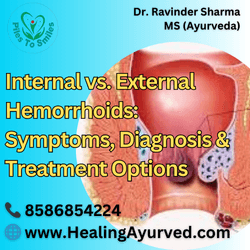
Internal vs. External Hemorrhoids: Decoding the Differences & Finding Relief
Internal vs. External Hemorrhoids: What’s the Difference and How Are They Treated? This guide compares internal and external piles, including symptoms, diagnosis methods, and the most effective treatment strategies for each type.
Understanding the 4 Grades of Internal Hemorrhoids
Internal hemorrhoids, located inside the rectum, are classified into four grades based on their severity. This grading system helps doctors determine the most appropriate treatment plan. Let’s break down each grade:
Grade I Internal Hemorrhoids:
- Key Characteristic: Bleeding without prolapse.
- Symptoms: You may notice blood on the toilet paper or in the toilet bowl after a bowel movement. These hemorrhoids don’t protrude from the anus.
- Do Grade I hemorrhoids bulge out? No, Grade I hemorrhoids do not prolapse.
Grade II Internal Hemorrhoids:
- Key Characteristic: Prolapse during bowel movements but retract spontaneously.
- Symptoms: The hemorrhoid may bulge out during a bowel movement but will return inside on its own afterward.
- Do Grade II hemorrhoids bulge out? Yes, they prolapse, but they retract without assistance.
Grade III Internal Hemorrhoids:
- Key Characteristic: Prolapse requiring manual reduction.
- Symptoms: The hemorrhoid protrudes during bowel movements and requires you to manually push it back inside. It won’t retract on its own.
- What happens if my internal hemorrhoids prolapse and don’t go back in? This describes a Grade III or potentially a Grade IV hemorrhoid. It’s essential to seek medical attention.
Grade IV Internal Hemorrhoids:
- Key Characteristic: Prolapsed and non-reducible.
- Symptoms: The hemorrhoid is prolapsed and cannot be pushed back inside. This is the most severe grade and often causes significant discomfort.
- What is the most severe type of internal hemorrhoid? Grade IV is the most severe.
Why is Hemorrhoid Grading Important?
Understanding the grade of your internal hemorrhoids is crucial for effective treatment. Lower grades (I and II) often respond well to conservative treatments like dietary changes, topical creams and Kshar Karma. Higher grades (III and IV) may require more advanced procedures like rubber band ligation, sclerotherapy, Ksharsutra Treatment or surgery.
When to See a Doctor:
If you are experiencing rectal bleeding, pain, or a prolapsed hemorrhoid, it’s essential to consult a doctor for proper diagnosis and treatment. Don’t hesitate to seek medical advice, especially if you have a Grade III or IV hemorrhoid.
How Do I Know If I Have Internal Hemorrhoids? Recognizing the Signs
Internal hemorrhoids, located inside the rectum, can cause a range of symptoms. Recognizing these signs is the first step toward seeking appropriate treatment. Here are the most common indicators of internal hemorrhoids:
- Blood in your stool? Painless bleeding during or after bowel movements is a major red flag for internal hemorrhoids. You might notice blood on the toilet paper, in the toilet bowl, or coating the stool itself.
- Feeling a bulge in your anus? A prolapse, where tissue protrudes from the anus, is another common symptom. This bulge may appear during bowel movements and sometimes recede on its own, or it may require manual repositioning.
- Experiencing mucus discharge? Leakage of mucus from the anus can also be a sign of internal hemorrhoids.
- Feeling of incomplete evacuation? A persistent feeling that you haven’t fully emptied your bowels after a bowel movement can be another indicator.
It’s important to note: While these are common symptoms, they can also be associated with other conditions. If you’re experiencing any of these signs, it’s crucial to consult a doctor for a proper diagnosis and personalized treatment plan. Don’t hesitate to seek medical advice – early diagnosis and treatment can help prevent complications and improve your quality of life. Schedule an appointment with your doctor today to discuss your concerns.
What Causes Anal Pain and Itching? Could it be External Hemorrhoids?
External hemorrhoids are a common condition where the veins outside the rectum, beneath the skin surrounding the anus, become swollen and inflamed. They can cause discomfort, itching, and sometimes pain.
What are the Symptoms of External Hemorrhoids?
External hemorrhoids, located under the skin around the anus, can cause a variety of uncomfortable symptoms. Recognizing these symptoms is the first step toward seeking appropriate treatment.
Is pain a common symptom of external hemorrhoids?
Yes, pain is often a hallmark of external hemorrhoids. The pain can range from mild to severe, and it’s often exacerbated by bowel movements or prolonged sitting. If a blood clot forms within the external hemorrhoid (a condition called a thrombosed external hemorrhoid), the pain can be particularly intense and may be accompanied by sudden swelling.
Do external hemorrhoids cause itching?
Absolutely. Itching is another frequent complaint associated with external hemorrhoids. The skin surrounding the anus can become irritated and itchy, leading to significant discomfort.
Will I notice any swelling with external hemorrhoids?
Swelling is a common sign. You might observe a noticeable lump or swelling near the anus. This lump can vary in size and may be tender to the touch.
Can external hemorrhoids bleed?
While bleeding is more commonly associated with internal hemorrhoids, external hemorrhoids can also bleed. This typically occurs if the external hemorrhoid ruptures.
Experiencing these symptoms?
If you’re experiencing any of these symptoms, it’s essential to consult with a healthcare professional for an accurate diagnosis and appropriate treatment plan. Don’t hesitate to seek help – effective relief is available. Contact us today to schedule an appointment!
How are Hemorrhoids Diagnosed? Understanding the Process
Diagnosing hemorrhoids typically involves a physical examination by a doctor. This examination may include several key components:
Visual Inspection: The doctor will carefully examine the anus to identify any external hemorrhoids or prolapsed internal hemorrhoids (internal hemorrhoids that have bulged out).
Digital Rectal Exam (DRE): A DRE involves the doctor inserting a gloved, lubricated finger into the rectum. This allows them to feel for any abnormalities, including internal hemorrhoids or other potential issues.
Anoscopy or Sigmoidoscopy: In some cases, the doctor may perform an anoscopy or sigmoidoscopy. These procedures involve inserting a small, lighted scope into the anus and rectum to provide a clearer view of the area. This is often done to rule out other possible causes of your symptoms.
Worried about hemorrhoid symptoms? Don’t hesitate to seek professional medical advice. Early diagnosis and treatment can help prevent complications and get you on the road to recovery. Schedule an appointment with your doctor today for a comprehensive evaluation.
Hemorrhoid Treatment: Understanding the Differences for Internal and External Piles
Hemorrhoid treatment varies depending on the type (internal or external) and severity. Here’s a breakdown of common approaches:
Internal Hemorrhoid Treatment: Finding Relief from Mild to Severe Cases
Internal hemorrhoids, often causing painless bleeding, can range from mild annoyances to significant discomfort. Understanding the available treatment options is crucial for finding relief. This guide outlines the different approaches to internal hemorrhoid treatment, from conservative management to minimally invasive procedures and surgery.
Conservative Management for Mild Internal Hemorrhoids (Grades I & II):
For early-stage internal hemorrhoids, focusing on symptom relief and preventing constipation is key. These methods often provide significant improvement:
- Increased Fiber Intake: A high-fiber diet softens stools, making them easier to pass and reducing strain. Focus on fruits, vegetables, and whole grains.
- Stool Softeners: These medications further ease bowel movements, reducing the pressure on hemorrhoids.
- Sitz Baths: Soaking the anal area in warm water several times a day can soothe irritation and promote healing.
- Topical Creams and Ointments: Over-the-counter creams and ointments can provide temporary relief from itching and discomfort.
Minimally Invasive Procedures for More Severe Internal Hemorrhoids (Grades II, III & Some IV):
When conservative management isn’t enough, minimally invasive procedures offer effective solutions:
- Rubber Band Ligation: A small rubber band is placed at the base of the hemorrhoid, cutting off its blood supply and causing it to shrink and fall off.
- Sclerotherapy: A special solution is injected into the hemorrhoid, causing it to shrink.
- Infrared Coagulation: Heat is applied to the hemorrhoid to shrink it.
- Kshar Karma Treatment: This specialized Ayurvedic treatment involves applying Kshar, a medicated paste, to the hemorrhoidal tissue, causing it to shrink. It’s particularly effective for Grades I and II hemorrhoids.
- Ksharsutra Treatment for Piles: A medicated thread (Ksharsutra) is tied around the base of the hemorrhoid, gradually shrinking it and causing it to shed off within a week or two. This is a valuable option for Grades III and IV hemorrhoids.
Surgical Intervention for Severe Cases (Grade IV) or When Other Treatments Fail:
Surgery (hemorrhoidectomy) is typically reserved for large, prolapsed hemorrhoids (Grade IV) or when other treatments haven’t been successful.
Which Treatment is Right for Me?
The best course of treatment depends on the grade and severity of your internal hemorrhoids. A qualified medical professional can accurately diagnose your condition and recommend the most appropriate approach.
Don’t suffer in silence! If you’re experiencing symptoms of internal hemorrhoids, schedule a consultation today to discuss your treatment options and find lasting relief.
External Hemorrhoid Treatment: Finding Relief from Pain and Discomfort
External hemorrhoids can cause significant pain and discomfort. Fortunately, several effective treatment options are available. This guide outlines the various approaches, from conservative home care to medical procedures.
Conservative Management for External Hemorrhoids:
Often, initial treatment for external hemorrhoids focuses on relieving symptoms. This approach is similar to managing internal hemorrhoids and typically involves:
- Sitz Baths: Soaking the anal area in warm water several times a day can significantly reduce swelling and pain. This is a simple yet effective home remedy.
- Topical Creams and Ointments: Over-the-counter creams and ointments can soothe itching and discomfort associated with external hemorrhoids.
- Pain Relievers: Over-the-counter pain relievers, such as ibuprofen or acetaminophen, can help manage pain, especially if the external hemorrhoid is thrombosed (contains a blood clot).
Thrombosed External Hemorrhoid Treatment:
A thrombosed external hemorrhoid occurs when a blood clot forms within the external hemorrhoid. This can cause sudden, intense pain. Treatment for a thrombosed external hemorrhoid may include:
- External Hemorrhoid Thrombectomy: If the pain is severe, a doctor may drain the clot (a procedure called an external hemorrhoid thrombectomy) to provide immediate relief. This is usually a quick in-office procedure.
When is Surgery Necessary for External Hemorrhoids?
Surgery is rarely required for external hemorrhoids. It’s typically only considered if the hemorrhoids are very large, causing significant discomfort that doesn’t respond to other treatments, or if they are frequently recurring.
Don’t Suffer in Silence: Seek Help Today!
If you’re experiencing persistent pain, bleeding, or other concerning symptoms related to external hemorrhoids, it’s essential to consult a doctor. They can accurately diagnose your condition and recommend the most appropriate treatment plan for your specific needs. Schedule an appointment today to discuss your concerns and find relief!
Key Differences in Hemorrhoid Treatment: Internal vs. External
While conservative treatments like dietary changes and sitz baths offer relief for both internal and external hemorrhoids, the approach to more advanced cases often differs. Minimally invasive procedures, such as rubber band ligation and sclerotherapy, are frequently employed for internal hemorrhoids. External hemorrhoids, on the other hand, are less likely to require such interventions. Surgical removal is typically reserved for external hemorrhoids only when a painful blood clot (thrombosed hemorrhoid) needs removal or the hemorrhoids are exceptionally large and causing significant discomfort.
When to See a Doctor for Hemorrhoids (and When It’s Not Just Hemorrhoids)
Don’t ignore these warning signs! See a doctor immediately if you experience rectal bleeding, persistent or severe pain, or if your hemorrhoid symptoms don’t improve with home treatment (like sitz baths, fiber, and over-the-counter creams) after a week or two. These symptoms could indicate a more serious condition, such as anal fissures, abscesses, or even colorectal cancer. Early diagnosis and treatment are crucial.
Say Goodbye to Hemorrhoids: Your Guide to a Happy Bottom
Hemorrhoids, or piles, can be a real pain in the… well, you know. But guess what? You can take charge and prevent them! Keeping your gut happy and healthy is the secret. This simple guide gives you easy tips to keep your bottom smiling.
Easy Ways to Prevent Hemorrhoids:
Get Regular with Your Bathroom Habits: Your gut loves routine! Try to go to the bathroom around the same time each day. And never hold it in. When you gotta go, you gotta go! Holding it can lead to constipation, which is a big hemorrhoid trigger.
Fiber is Your Friend: Think of fiber as a superhero for your gut. It makes your poop soft and easy to pass, so there’s less strain on your bottom. Load up on fruits (like berries, apples, and bananas), veggies (broccoli, spinach, carrots), whole grains (oats, brown rice), and beans (kidney beans, lentils).
Drink Up!: Water is essential for soft poop. Aim for about eight glasses a day. Juice and herbal tea also count! Staying hydrated helps you avoid constipation.
Don’t Strain!: Pushing too hard when you’re trying to go to the bathroom is a major cause of hemorrhoids. Take your time and don’t force it. If you’re having trouble going, talk to your doctor.
Bathroom Breaks, Not Bathroom Hangouts: Don’t spend too long on the toilet. No reading or scrolling on your phone! The longer you sit, the more pressure you put on your bottom.
Get Moving!: Exercise is great for your gut and can help prevent constipation. Try to be active for at least 30 minutes most days of the week. Even a brisk walk helps!
Healthy Weight, Happy Bottom: Extra weight, especially around your belly, can put pressure on your bottom and make hemorrhoids more likely. Losing even a little weight can make a big difference.
Clean Carefully: After you go to the bathroom, gently clean your bottom with soft, unscented wipes or a bidet. Don’t scrub too hard – that can irritate things.
Ask About Stool Softeners: If you often get constipated, talk to your doctor about stool softeners. They can make going to the bathroom much easier.
Take Care of Your Bottom!
Want more tips for a healthy gut and a happy bottom? Schedule a visit with us! We’re here to help you feel your best!
Best Piles Treatment in Delhi NCR | External & Internal Hemorrhoids Relief | Piles To Smiles
Looking for effective piles treatment in Delhi NCR? Piles To Smiles offers pain-free, non-surgical solutions for external and internal hemorrhoids. Dr. Ravinder Sharma, a leading proctologist, provides expert care using advanced, minimally invasive techniques. We also treat anal fissures, fistula, and pilonidal sinus.
Why Choose Piles To Smiles?
- Effective Ayurvedic Treatments: Holistic, long-term relief with minimal recurrence.
- Expert Care: Personalized treatment plans by Dr. Sharma.
- Minimally Invasive: Comfortable, discreet recovery.
- Patient-Focused: Prioritizing your well-being.
Internal vs. External Hemorrhoids: Decoding the Differences & Finding Relief
Internal and external hemorrhoids, while both affecting the anal region, differ significantly in their location, symptoms, and treatment. Internal hemorrhoids, located inside the rectum, are graded from I to IV based on prolapse severity, with symptoms ranging from painless bleeding to protrusion. External hemorrhoids, situated beneath the skin surrounding the anus, often cause pain, itching, and swelling. Accurate diagnosis, often involving visual inspection, digital rectal exam, and sometimes anoscopy, is crucial for determining the appropriate treatment strategy.
Navigating Treatment Options: From Conservative Care to Advanced Procedures
Treatment for hemorrhoids varies based on type and severity. Internal hemorrhoids often respond well to conservative measures like dietary changes, sitz baths, and topical creams, especially in earlier grades. Minimally invasive procedures, such as rubber band ligation, sclerotherapy, and Kshar Karma/Sutra therapy, offer effective solutions for more advanced internal hemorrhoids. External hemorrhoid treatment typically focuses on symptom relief through sitz baths, creams, and pain relievers. Thrombosed external hemorrhoids may require clot removal. Surgery is generally reserved for severe cases of either type when other treatments fail.
Piles To Smiles: Your Partner in Hemorrhoid Relief
Piles To Smiles, led by Dr. Ravinder Sharma, provides comprehensive and patient-focused care for hemorrhoids and other anorectal conditions in Delhi NCR. We offer a range of effective, minimally invasive treatments, including Ayurvedic approaches like Kshar Karma and Ksharsutra, prioritizing long-term relief and patient comfort. Whether you’re experiencing internal or external hemorrhoids, our expert team is dedicated to helping you find lasting relief and improve your quality of life. Contact us today to schedule a consultation and take the first step towards a healthier, happier you.
FAQs for Hemorrhoid Relief: Internal, External, and Everything In Between
Hemorrhoids, commonly known as piles, are swollen veins in the anus and rectum. They can be located inside the rectum (internal hemorrhoids) or under the skin around the anus (external hemorrhoids).
Internal hemorrhoids are swollen veins located inside the rectum. They are graded from I to IV based on severity. Common symptoms include painless bleeding during bowel movements, prolapse (tissue bulging out of the anus), and mucus discharge.
External hemorrhoids are swollen veins that develop under the skin around the anus. They can cause pain, itching, swelling, and sometimes bleeding.
The primary difference lies in their location. Internal hemorrhoids reside inside the rectum, while external hemorrhoids are found beneath the skin surrounding the anus. Internal hemorrhoids are graded by prolapse, while external hemorrhoids are typically more painful.
Internal Hemorrhoid Grades:
| Grade | Description |
| I | Bleeding, no prolapse |
| II | Prolapse during bowel movements, retracts on its own |
| III | Prolapse, requires manual reduction |
| IV | Prolapsed, cannot be reduced |
No, Grade 1 hemorrhoids do not prolapse or bulge outside the anus. They are located internally within the rectum.
Yes, Grade II hemorrhoids do bulge out (prolapse) during bowel movements. However, unlike more severe cases, they retract on their own afterward.
If your internal hemorrhoids prolapse and don’t retract on their own, it indicates a Grade III or IV hemorrhoid, requiring medical attention. Contact your doctor immediately or seek emergency care.
Grade IV internal hemorrhoids are the most severe. They are prolapsed and cannot be manually reduced.
Doctors grade hemorrhoids to determine the most appropriate treatment. The severity of the hemorrhoid, indicated by its grade, guides treatment decisions, ranging from conservative management to surgical intervention.
Look out for these common symptoms:
- Painless bleeding during bowel movements
- Prolapse (a bulge from the anus)
- Mucus discharge
- Feeling of incomplete evacuation
Internal hemorrhoids are usually painless. Instead of pain, look for these common symptoms:
- Painless bleeding during bowel movements
- Prolapse (a bulge from the anus)
- Mucus discharge
- Feeling of incomplete bowel movements
Pain is more characteristic of external hemorrhoids.
Internal hemorrhoids, located inside the rectum, can cause several uncomfortable symptoms. Recognizing these signs is crucial for seeking timely and appropriate treatment. Here are the most frequent indicators of internal hemorrhoids:
- Painless rectal bleeding: This is often the first and most noticeable symptom. You might see bright red blood on your toilet paper, in the toilet bowl, or coating your stool.
- Prolapse (bulge in the anus): Internal hemorrhoids can prolapse, meaning they bulge out of the anus, especially during bowel movements. A prolapse may go back inside on its own, or you may need to gently push it back in. In more severe cases, it may remain prolapsed.
- Mucus discharge: Internal hemorrhoids can sometimes produce mucus, which you might notice on your underwear or toilet paper.
- Feeling of incomplete evacuation: You may experience a persistent feeling that your rectum isn’t completely empty after a bowel movement, even if you’ve passed stool. This sensation of fullness is another possible symptom.
You may have external hemorrhoids if you experience:
- Pain: Discomfort or soreness around the anus.
- Itching: An irritating sensation in the anal area.
- Swelling: A noticeable lump or bulge near the anus.
- Bleeding: While less common than with internal hemorrhoids, external hemorrhoids can bleed if they rupture.
Anal pain and itching are common symptoms with several possible causes. While external hemorrhoids can cause pain and itching, it’s not the only culprit. Other potential causes include:
- Anal fissures: Small tears in the lining of the anus.
- Skin irritation: From harsh soaps, excessive wiping, or certain fabrics.
- Infections: Such as fungal infections or sexually transmitted infections.
- Inflammatory bowel disease (IBD): Conditions like Crohn’s disease or ulcerative colitis.
- Proctitis: Inflammation of the rectum lining.
- Pinworms: Small parasitic worms that can cause anal itching, especially in children.
Because several conditions can mimic the symptoms of external hemorrhoids, it’s crucial to consult a doctor for a proper diagnosis. Self-treating can sometimes worsen the underlying condition or delay necessary treatment. A doctor can perform a physical exam and other tests to determine the cause of your anal pain and itching and recommend the most effective treatment plan.
Yes, although less common than with internal hemorrhoids, external hemorrhoids can bleed. Here’s what you should know:
- Rupture: Bleeding usually occurs when the external hemorrhoid ruptures.
- Minor Bleeding: The bleeding is generally minor.
- Self-Limiting: It usually stops on its own.
- See a Doctor: Consult a doctor if the bleeding is heavy or doesn’t stop.
If you’re experiencing discomfort around your anus, it might be due to external hemorrhoids. Common symptoms include:
- Pain: This is often the most noticeable symptom and can be quite intense, especially with a thrombosed (clotted) external hemorrhoid.
- Itching: The skin surrounding the anus can become itchy and irritated.
- Swelling: You may notice a lump or swelling near the anus.
- Bleeding: While less common than with internal hemorrhoids, external hemorrhoids can sometimes bleed, especially if they rupture.
Hemorrhoid diagnosis typically involves a combination of the following:
- Visual Inspection: The doctor will examine the anus for visible external hemorrhoids or prolapsed internal hemorrhoids.
- Digital Rectal Exam (DRE): A gloved, lubricated finger is inserted into the rectum to feel for any abnormalities, including internal hemorrhoids.
- Anoscopy or Sigmoidoscopy (Sometimes): If necessary, the doctor may use an anoscope (a short, rigid tube) or a sigmoidoscopy (a longer, flexible tube) to visualize the inside of the anus and rectum more clearly. These procedures help rule out other conditions that may mimic hemorrhoid symptoms, such as anal fissures, polyps, or even cancer. This is especially important if there are concerning symptoms like significant bleeding or a change in bowel habits.
Why these tests are important:
- Visual Inspection: Allows for quick identification of external hemorrhoids and prolapsed internal hemorrhoids.
- DRE: Helps detect internal hemorrhoids that aren’t prolapsed and can also identify other potential issues in the rectum.
- Anoscopy/Sigmoidoscopy: Ensures accurate diagnosis and helps differentiate hemorrhoids from other, potentially more serious conditions.
A digital rectal exam (DRE) is a common procedure performed by doctors to examine the lower rectum and prostate gland (in men). It involves the doctor inserting a gloved, lubricated finger into the rectum to feel for any abnormalities.
What it involves:
- Preparation: The patient may be asked to undress from the waist down or just lower their underwear. They may stand, lie on their side, or lean over the examination table.
- Examination: The doctor gently inserts a lubricated, gloved finger into the rectum. They will feel the walls of the rectum and the prostate gland (if applicable), noting any lumps, bumps, or other irregularities. The exam is typically brief, lasting only a few seconds.
- After the Exam: The doctor will remove their finger and discuss the findings with the patient.
Why is a DRE performed?
A DRE can help detect:
- Prostate cancer: In men, the DRE is a key part of the prostate exam. It can help identify an enlarged prostate or suspicious nodules.
- Benign prostatic hyperplasia (BPH): This is a non-cancerous enlargement of the prostate gland.
- Rectal cancer: A DRE can help detect tumors or other abnormalities in the rectum.
- Other rectal problems: Such as hemorrhoids, anal fissure, or abscesses.
Is a DRE painful?
Some patients may experience mild discomfort or pressure during a DRE, but it is generally not painful. If you are concerned about discomfort, talk to your doctor.
How often should I have a DRE?
The frequency of DREs depends on your age, risk factors, and medical history. Talk to your doctor to determine what is right for you. For prostate cancer screening, guidelines vary, so discuss your individual needs with your physician.
An anoscopy is a diagnostic procedure where a small, rigid, hollow tube (anoscope) is inserted into the anus and lower rectum. Its primary purpose in hemorrhoid diagnosis is to allow the doctor to visually examine the lining of these areas, which helps in several ways:
Confirmation of Hemorrhoids: Anoscopy allows for direct visualization of internal hemorrhoids, confirming their presence and helping to determine their grade (I-IV). This is particularly helpful for diagnosing internal hemorrhoids that may not be readily apparent during a physical exam.
Differentiation Between Internal and External Hemorrhoids: While external hemorrhoids are often visible, anoscopy helps to clearly distinguish between internal and external hemorrhoids, ensuring accurate diagnosis and appropriate treatment planning.
Ruling Out Other Conditions: Importantly, anoscopy helps to rule out other potential causes of rectal bleeding or discomfort, such as anal fissures, rectal polyps, or even more serious conditions like colorectal cancer. This is crucial for ensuring patients receive the correct diagnosis and treatment.
Assessing Hemorrhoid Severity: For internal hemorrhoids, anoscopy allows the doctor to assess the size and severity of the hemorrhoids, which is essential for determining the most appropriate treatment approach. For example, it helps distinguish between grade I and grade IV hemorrhoids, which require vastly different treatments.
Guidance for Treatment: In some cases, anoscopy can be used in conjunction with certain treatment procedures, such as rubber band ligation, to ensure accurate placement of the bands.
In short, anoscopy plays a vital role in the accurate diagnosis and management of hemorrhoids by providing a clear view of the anal and rectal lining, helping to differentiate between different types of hemorrhoids, ruling out other conditions, and assessing the severity of the condition.
Hemorrhoid pain relief depends on the type and severity of your hemorrhoids. For mild to moderate discomfort, several conservative treatments can offer fast relief:
- Sitz Baths: Soaking the affected area in warm water for 15-20 minutes several times a day can soothe irritation and reduce swelling. This is a highly recommended first-line treatment.
- Increased Fiber Intake: A diet rich in fiber softens stools, making them easier to pass and reducing strain. This can help prevent further irritation and promote healing. Focus on fruits, vegetables, and whole grains.
- Topical Creams and Ointments: Over-the-counter hemorrhoid creams and ointments can provide temporary pain relief and reduce itching. Follow the product instructions carefully.
- Over-the-Counter Pain Relievers: Pain relievers like ibuprofen or acetaminophen can help manage pain and inflammation.
For more severe or persistent hemorrhoid pain, medical intervention may be necessary. This might include:
- Minimally Invasive Procedures: Procedures like rubber band ligation, sclerotherapy, or infrared coagulation or Ayurvedic treatment options like Kshar Karma/ Ksharsutra can effectively treat internal hemorrhoids.
- Surgery: In rare cases, surgery (hemorrhoidectomy) may be required for large or prolapsed hemorrhoids.
It’s crucial to consult a doctor if:
- Your pain is severe and doesn’t improve with home care.
- You experience rectal bleeding.
- You notice a change in your bowel habits.
Quick Tips for Fast Relief:
- Avoid Constipation
- Avoid straining during bowel movements.
- Avoid sitting for a long time while defecation
- Use soft, unscented toilet paper.
- Wear loose-fitting clothing.
Internal hemorrhoid treatment varies depending on the severity (grade). Mild cases (Grades I & II) often respond well to conservative management:
- Increased fiber intake: Softens stools for easier passage.
- Stool softeners: Ease bowel movements.
- Sitz baths: Soothe irritation and reduce swelling.
- Topical creams: Provide temporary relief from itching and discomfort.
More severe cases (Grades II, III, and some IV) may require minimally invasive procedures or surgery:
- Rubber band ligation: A small rubber band is placed around the base of the hemorrhoid to cut off blood supply.
- Sclerotherapy: A solution is injected into the hemorrhoid to shrink it.
- Kshar Karma/Ksharsutra treatment: These are Ayurvedic procedures involving medicated thread or paste applied to the hemorrhoids. Kshar Karma involves applying an Alkaline paste, while Ksharsutra involves tying a medicated thread around the hemorrhoid.
- Surgery (hemorrhoidectomy): Reserved for large, prolapsed hemorrhoids (Grade IV) or when other treatments fail.
Which treatment is right for me?
The best course of treatment for your internal hemorrhoids will depend on the severity of your condition and your circumstances. It’s crucial to consult with a qualified healthcare professional for an accurate diagnosis and personalized treatment plan. They can assess your specific situation and recommend the most appropriate option for you.
External hemorrhoid pain can be effectively managed with several treatments. Often, relief can be found through:
- Sitz baths: Soaking the affected area in warm water several times a day can soothe irritation and reduce swelling. This is a highly recommended home remedy.
- Topical creams and ointments: Over-the-counter hemorrhoids creams can provide temporary pain and itch relief. Look for products specifically designed for hemorrhoid relief.
- Pain relievers: Over-the-counter pain relievers can help manage pain and inflammation.
- Thrombectomy (clot removal): If the external hemorrhoid becomes thrombosed (a blood clot forms), a doctor may perform a thrombectomy to remove the clot and relieve the intense pain it causes. This is a minor procedure. It’s usually most effective if done within the first 48-72 hours of the clot forming.
Other Home Remedies: While not a substitute for medical advice, some people find relief through additional measures like applying cold compresses to the area to reduce swelling or ensuring they are getting enough fiber to avoid constipation.
When to See a Doctor: It’s important to consult a doctor if your pain is severe, doesn’t improve with home care, or if you experience rectal bleeding. They can properly diagnose your condition and rule out any other potential causes. They can also perform a thrombectomy, if appropriate.
Surgery: Surgery is rarely necessary for external hemorrhoids. It’s typically only considered for very large or persistently painful hemorrhoids that haven’t responded to other treatments.
External hemorrhoid treatment typically begins with non-surgical methods aimed at relieving pain and discomfort. These include:
- Sitz baths: Soaking the anal area in warm water several times a day can reduce swelling and soothe irritation.
- Topical creams and ointments: Over-the-counter creams and ointments can provide temporary relief from itching and pain.
- Pain relievers: Over-the-counter pain relievers can help manage pain, especially if the external hemorrhoid is thrombosed (contains a blood clot).
- Lifestyle changes: Increasing fiber intake, drinking plenty of fluids, and avoiding straining during bowel movements can help prevent constipation and reduce pressure on the hemorrhoids.
When is surgery an option for external hemorrhoids?
Surgery is usually reserved for more severe cases of external hemorrhoids where:
- The hemorrhoids are very large: Large external hemorrhoids can be difficult to manage with conservative treatment and may interfere with daily activities.
- Conservative treatments have failed: If sitz baths, creams, and other non-surgical approaches don’t provide adequate relief, surgery may be considered.
- A blood clot needs to be removed (thrombectomy): If a blood clot forms within an external hemorrhoid (thrombosed external hemorrhoid) and causes significant pain, a doctor may recommend a procedure to drain the clot.
- There’s significant, ongoing discomfort: If the pain and other symptoms associated with external hemorrhoids are persistent and significantly impacting quality of life, surgery could be an option.
Most people find relief from external hemorrhoids without surgery. Conservative treatments are often effective in managing symptoms and allowing the hemorrhoids to heal on their own. It’s important to consult with a doctor to determine the best course of treatment for your specific situation.
Internal and external hemorrhoids, while both involving swollen veins in the anal area, require different treatment approaches. This is because they originate in different locations and present with distinct symptoms.
Internal Hemorrhoid Treatment:
Internal hemorrhoids, located inside the rectum, are often graded by severity. Treatment typically starts with conservative methods like:
- Dietary Changes: Increasing fiber intake through fruits, vegetables, and whole grains helps soften stools and reduce straining.
- Stool Softeners: These medications make bowel movements easier, minimizing pressure on the hemorrhoids.
- Sitz Baths: Soaking the anal area in warm water several times a day can soothe irritation and promote healing.
For more advanced or persistent internal hemorrhoids, minimally invasive procedures are often effective. These include:
- Rubber band ligation: A small rubber band is placed at the base of the hemorrhoid to cut off blood flow.
- Sclerotherapy: A solution is injected into the hemorrhoid to shrink it.
- Infrared coagulation: Heat is used to destroy the hemorrhoid tissue.
- Kshar Karma: This Ayurvedic treatment involves applying a specially prepared alkaline paste to the hemorrhoid. It is a minimally invasive procedure and helps in the controlled destruction of the hemorrhoid tissue.
- Ksharsutra Therapy: This Ayurvedic technique involves tying a medicated thread around the hemorrhoid. This thread gradually cuts through the hemorrhoid tissue, promoting healing and preventing recurrence.
Surgery is usually reserved for severe cases (Grade IV) or when other treatments fail.
External Hemorrhoid Treatment:
External hemorrhoids, located under the skin around the anus, are more likely to cause pain and itching. Treatment often focuses on relieving these symptoms through:
- Sitz baths: Soaking the anal area in warm water.
- Topical creams and ointments: To soothe itching and discomfort.
- Pain relievers: Over-the-counter pain medication.
If a blood clot forms in an external hemorrhoid (thrombosed external hemorrhoid), the clot may be drained by a doctor. Surgical removal of external hemorrhoids is less common but may be necessary for large, persistently painful hemorrhoids.
Key Differences Summarized:
| Treatment Approach | Internal Hemorrhoids | External Hemorrhoids |
| Conservative | Dietary changes, stool softeners, sitz baths | Sitz baths, topical creams, pain relievers |
| Minimally Invasive | Rubber band ligation, sclerotherapy, infrared coagulation, Kshar Karma, Ksharsutra | (Less common) |
| Surgery | For severe cases or failed other treatments | For thrombosed hemorrhoids or significant discomfort |
You should see a doctor for hemorrhoids if you experience any of the following:
- Rectal bleeding: A medical professional should evaluate any amount of bleeding from the rectum to rule out more serious conditions.
- Persistent or severe pain: Pain that doesn’t improve with over-the-counter pain relievers or home remedies, or pain that worsens, warrants a doctor’s visit.
- Symptoms that don’t improve with home care: If your hemorrhoid symptoms, such as pain, itching, or swelling, don’t improve after a week or two of home treatment (including dietary changes, sitz baths, and over-the-counter creams), it’s time to seek medical attention.
These symptoms could be signs of a more serious issue, such as an anal fissure, abscess, or even a more serious condition like colorectal cancer. Don’t hesitate to contact your doctor for proper diagnosis and treatment. Early intervention can often lead to better outcomes.
Preventing constipation is key to avoiding hemorrhoids. Here’s a comprehensive approach:
- Dietary Power: Embrace a high-fiber diet rich in fruits, vegetables, and whole grains. This softens stool and promotes easier bowel movements. Aim for 25-30 grams of fiber daily.
- Hydration Hero: Drink plenty of fluids, especially water, throughout the day. This keeps stools soft and prevents dehydration, a common cause of constipation.
- Toilet Training: Avoid straining during bowel movements. Straining puts excessive pressure on the rectal veins. Don’t rush; allow yourself sufficient time. Limit your time on the toilet. Prolonged sitting can contribute to hemorrhoid development.
- Weight Management: Maintaining a healthy weight reduces pressure on the pelvic area and lowers the risk of hemorrhoids.
- Active Lifestyle: Regular exercise promotes healthy bowel function and helps prevent constipation. Aim for at least 30 minutes of moderate-intensity exercise most days of the week.
- Bathroom Habits: Establish regular bathroom habits. Respond to the urge to go; don’t delay.
- Gentle Cleansing: Cleanse the anal area gently after bowel movements using soft, unscented wipes or a bidet. Avoid harsh scrubbing.
- Stool Softeners: If needed, talk to your doctor about using stool softeners. They can make bowel movements easier and more comfortable.
Piles To Smiles offers a unique, patient-centered approach to piles treatment, combining the wisdom of Ayurveda with modern medical advancements. We stand out for several key reasons:
-
Effective Ayurvedic Treatments: We utilize time-tested Ayurvedic principles and remedies, including herbal formulations, dietary modifications, and lifestyle recommendations, to address the root cause of piles and provide lasting relief. This holistic approach aims to restore balance and prevent recurrence.
-
Expert Care by Dr. Ravinder Sharma: Benefit from the extensive experience of Dr. Ravinder Sharma, a highly skilled and respected proctologist specializing in piles treatment. Dr. Ravinder Sharma holds an MS (Ayurveda) in general surgery and has over 18 years of experience successfully treating piles.
-
Minimally Invasive Procedures: When appropriate, we offer minimally invasive procedures, such as rubber band ligation, sclerotherapy, Kshar Karma, and Ksharsutra treatment, to minimize pain, shorten recovery times, and lessen disruption to your daily life. These advanced techniques offer effective relief with less downtime.
-
Patient-Focused Approach: Your comfort and well-being are our priorities. We provide personalized care, answer all your questions, and guide you through every step of your treatment journey. Our patient testimonials and high satisfaction rates speak to our commitment to excellent care.
In short, Piles To Smiles combines the best of traditional Ayurveda with modern, minimally invasive techniques to provide effective, compassionate, and personalized care for piles. We’re dedicated to helping you achieve lasting relief and improved quality of life. Schedule a consultation today!
Piles To Smiles offers effective Ayurvedic and minimally invasive treatments for piles in Delhi NCR. We understand that finding the right treatment for piles can be a daunting task. That’s why at Piles To Smiles, we prioritize personalized care, combining the wisdom of Ayurveda with the latest minimally invasive techniques. Our goal is to provide lasting relief and improve your quality of life.
Why Choose Piles To Smiles for Piles Treatment in Delhi NCR?
- Experienced Specialist: Consult with Dr. Ravinder Sharma, a leading expert in piles treatment, for personalized care tailored to your specific condition. Dr. Sharma’s expertise ensures you receive the most appropriate and effective treatment plan.
- Ayurvedic & Minimally Invasive Options: We offer a range of treatment options, including traditional Ayurvedic approaches and cutting-edge minimally invasive procedures. This allows us to create a treatment plan that aligns with your preferences and medical needs.
- Focus on Long-Term Relief: Our approach focuses not just on treating the immediate symptoms but also on addressing the underlying causes of piles to prevent recurrence.
- Convenient Location in Delhi NCR: Located in Delhi NCR & Serving patients across Delhi, Noida, Gurgaon, and Faridabad, we are easily accessible for residents seeking quality piles treatment.
What Types of Piles Treatments are Available at Piles To Smiles?
List the specific treatments offered. Examples:
- Conservative Treatments: herbal formulations, dietary modifications, lifestyle recommendations etc.
- Ayurvedic Treatments: Herbal remedies, Kshar Karma, Kshara Sutra therapy, etc.
- Minimally Invasive Procedures: Sclerotherapy, Rubber band ligation, etc.
How Can I Book a Consultation?
Schedule your consultation with Dr. Ravinder Sharma today! Call us at +91-8586854224, visit our website at https://www.pilestosmiles.com/contact-us/#BookAppointment, or email us at [email protected]. We are conveniently located at Piles to Smiles, #004 N-8, Narmada, sector D6, Vasant Kunj, new Delhi -110070.
What makes Piles To Smiles unique:
At Piles To Smiles, we believe in a holistic approach to piles treatment. We combine advanced medical expertise with compassionate care to ensure you feel comfortable and confident throughout your treatment journey. We understand the sensitive nature of this condition and strive to provide a supportive and discreet environment for all our patients.