Categories
Pilonidal Sinus

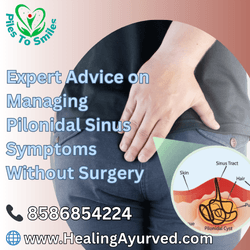
Expert Advice on Managing Pilonidal Sinus Symptoms Without Surgery

Pilonidal Sinus: Understanding This Common Condition

A pilonidal sinus is a small, abnormal tunnel or cavity that forms in the skin at the top of the buttocks, where they meet. This condition is relatively common, with an estimated 70,000 cases reported annually in the United States.

The “Jeep Driver’s Disease”

Due to its frequent occurrence among individuals who spend extended periods sitting, such as truck drivers and soldiers during World War II, pilonidal sinus earned the nickname “Jeep driver’s disease.”

Recognizing the Signs of a Pilonidal Sinus Infection

Many people with pilonidal sinuses remain asymptomatic until an infection develops.

Common Symptoms of a Pilonidal Sinus Infection:

  • Pain and Swelling: Pain and swelling at the top of the buttock cleft.
  • Abscess Formation: Development of a pus-filled abscess.
  • Discharge: Pus or blood draining from the abscess, often with a foul odor.
  • Hair: Hair may be visible protruding from the lesion.
  • Multiple Sinus Tracts: The presence of multiple holes in the skin.
  • Pain While Sitting or Standing: Difficulty sitting or standing due to discomfort.

Less Common Symptoms:

  • Low-grade fever

When to Seek Immediate Medical Attention:

  • Urgent Appointment: If you notice a small sore spot between your buttocks that is leaking pus, bleeding, or causing significant pain, schedule an urgent appointment with a qualified healthcare provider.

Understanding Pilonidal Sinus: The Role of Hair, Friction, and Lifestyle

A pilonidal sinus is a painful condition characterized by an abscess or cyst near the tailbone, often caused by ingrown hairs. While the exact cause remains unclear, several factors are believed to contribute:

  • Hair Growth: The presence of hair in the cleft of the buttocks plays a crucial role.
  • Friction and Pressure: Activities like prolonged sitting, cycling, or any activity that increases friction in the area can force hair to burrow beneath the skin.
  • Hormonal Changes: Pilonidal sinuses often appear after puberty, suggesting a link to hormonal changes that influence hair growth.

The Development Process:

When hair becomes embedded in the skin, the body’s immune system perceives it as a foreign object. This triggers an immune response, leading to the formation of a cyst around the trapped hair. This cyst can become infected, resulting in the development of a pilonidal sinus.

Who is at Risk for Pilonidal Cysts?

  • Gender: Men are more likely to develop pilonidal sinuses due to increased hair growth in the affected area.
  • Age: Young adults (typically between 15 and 30 years old) are most commonly affected.
  • Lifestyle:
    • Sedentary lifestyle: Prolonged sitting can increase pressure on the affected area.
    • Occupations that require prolonged sitting: Truck drivers, office workers, and students may have a higher risk.
  • Obesity: Excess weight can increase pressure on the area, contributing to the development of pilonidal sinuses.
  • Hair Type and Growth: Individuals with thick, coarse body hair in the natal cleft (the groove between the buttocks) may be at increased risk.
  • Tight Clothing: Wearing tight-fitting clothing can irritate the skin and trap sweat and bacteria, increasing the risk of infection.

Note: These are just some of the factors that may increase your risk of developing a pilonidal sinus. It’s important to remember that not everyone who has these risk factors will develop the condition.


Treating Pilonidal Cysts/ Sinus Without Surgery

Pilonidal cysts, often located near the tailbone, can be a source of discomfort and concern. While surgery is a common treatment option, exploring non-surgical approaches can be beneficial for some individuals. This article will delve into various non-surgical methods for managing pilonidal cysts, including home remedies, lifestyle modifications, and minimally invasive procedures.

Treating Pilonidal Cysts: A Focus on Prevention and Management

Pilonidal cysts, often occurring in the tailbone area, can present without symptoms. In such cases, medical intervention may not be necessary. A “watchful waiting” approach is often recommended, along with these preventative measures:

  • Maintain Good Hygiene: Regular bathing or showering helps keep the area clean and reduces the risk of infection.
  • Maintain a Healthy Weight: Excess weight can increase pressure on the area and contribute to the development of pilonidal cysts.

  • Avoid Prolonged Sitting: Minimize prolonged periods of sitting, especially on hard surfaces.

  • Regular Exercise: Engage in regular physical activity to maintain a healthy weight and improve overall circulation.

  • Avoid Shaving: Unless advised by your doctor, refrain from shaving the affected area, as this can irritate the skin and increase the risk of ingrown hairs.

By incorporating these preventive measures into your daily routine, you can significantly reduce your risk of developing pilonidal cysts.

If you notice any changes or experience discomfort, consult a healthcare professional for proper evaluation and guidance.

Home Remedies for Pilonidal Sinus: Finding Relief

While home remedies cannot cure a pilonidal sinus, they can offer some relief from the discomfort and pain associated with this condition.

Key Home Care Strategies:

  • Maintain Excellent Hygiene: Keep the affected area clean by gently washing it with mild soap and water during showers.

  • Wear Breathable Fabrics: Opt for loose-fitting cotton underwear and clothing to minimize friction and allow for proper airflow.

  • Warm Compresses: Apply warm, moist compresses to the affected area for 15-20 minutes, several times a day. This can help reduce inflammation and promote drainage.

  • Sitz Baths: Soaking in a warm sitz bath (a shallow bath that covers the buttocks) can also help reduce pain and inflammation.

  • Stay Active: Maintaining a healthy weight through regular exercise can help prevent the development of pilonidal sinuses and may also provide some relief from existing symptoms.

Important Note: Home remedies can offer temporary relief, but they cannot cure a pilonidal sinus. If you are experiencing symptoms, it is crucial to consult a healthcare professional for proper diagnosis and treatment.

Treating an Infected Pilonidal Sinus: Exploring Your Options

Pilonidal sinus treatment depends on several factors, including:

  • Severity of symptoms: Pain, swelling, and the presence of an abscess.
  • Size and extent of the sinus: Larger sinuses may require more extensive treatment.
  • Infection history: Recurrent infections may necessitate more aggressive approaches.

Treating an Infected Abscess:

  • Incision and Drainage: A common treatment for an infected abscess involves making a small incision to drain the pus and relieve pressure. Antibiotics may be prescribed to combat the infection.

Surgical Treatment for Pilonidal sinus:

Surgery is often recommended for pilonidal sinuses, but it can have drawbacks:

  • Recurrence: Pilonidal sinuses can return after surgery.
  • Recovery Time: Surgery often requires downtime, including bed rest and time away from work.
  • Potential Complications: Surgical risks include infection, bleeding, and scarring.
  • Cost: Surgical procedures can be expensive.

Pilonidal Sinus Treatment: Exploring Non-Surgical Options

Due to the potential drawbacks of surgery, individuals are increasingly seeking non-surgical treatment options for pilonidal sinuses. These options may offer less invasive alternatives with shorter recovery times and a lower risk of complications.

Non-Surgical Pilonidal Cyst Treatment: Ksharsutra

Pilonidal cysts are a frustrating condition often resistant to traditional medical treatments. While antibiotics might seem like a logical first step, they are typically ineffective due to the nature of the cyst itself.

  • The Challenge of Antibiotics: Pilonidal cysts often involve fibrotic changes within the sinus cavity. This dense, scar-like tissue hinders antibiotic penetration, rendering these medications largely ineffective.

  • Limitations of Medical Treatment: Unfortunately, medications beyond antibiotics have limited success in treating pilonidal cysts. This necessitates a more interventional approach.

  • Surgical Risks and Recurrence: Surgical procedures for pilonidal cysts can carry risks and complications, including the significant possibility of recurrence.

  • Ayurvedic Approach: Ksharsutra Treatment

Recognizing the limitations of conventional treatments, Ayurveda offers a promising non-surgical alternative: Ksharsutra treatment for Pilonidal Sinus. This ancient technique involves the slow and controlled application of medicated threads to gradually dissolve the unhealthy tissue.

Ksharsutra Treatment for Pilonidal Sinus: A Natural Approach

Ksharsutra is a minimally invasive Ayurvedic procedure for treating pilonidal sinus. It involves inserting a medicated thread (Sutra) impregnated with an alkaline herbal preparation (Kshar) into the pilonidal sinus tract.

How Ksharsutra Works:

  • Targeted Treatment: The Ksharsutra delivers the medicinal Kshar directly to the affected area within the sinus tract.
  • Tissue Removal: The Kshar gradually dissolves and removes unhealthy tissue within the sinus tract, promoting healing and preventing recurrence.
  • Minimal Invasiveness: Unlike traditional surgical procedures, Ksharsutra is minimally invasive, resulting in minimal scarring and faster recovery.

Procedure:

  • Initial Ligation: The initial placement of the Ksharsutra is typically performed under local anesthesia.
  • Weekly Changes: The medicated thread is replaced weekly until the sinus tract heals completely. Subsequent changes can usually be performed without anesthesia.
  • Minimal Disruption: Ksharsutra treatment allows patients to continue their normal daily activities with minimal disruption.

Ksharsutra: A Superior Alternative to Surgery for Pilonidal Sinus

When it comes to treating Pilonidal Sinus, Ksharsutra offers several key advantages over traditional surgical interventions:

  • Lower Recurrence Rate: Ksharsutra treatment for pilonidal sinus offers a significant advantage with lower recurrence rates compared to traditional surgery. This often translates to complete healing without the need for repeated procedures, providing long-term relief for patients.
  • Minimally Invasive Approach: Ksharsutra involves smaller incisions and less tissue manipulation, leading to faster healing, reduced pain, and a lower risk of complications.
  • Faster Recovery: Ksharsutra is often an outpatient procedure with a shorter recovery time, allowing patients to return to their daily activities more quickly.
  • Minimal Discomfort: Ksharsutra typically results in less post-operative pain and discomfort compared to surgery.
  • Lower Risk of Complications: The minimally invasive nature of Ksharsutra reduces the risk of post-operative infections and complications associated with surgery.
  • Safer Anesthesia: Ksharsutra typically utilizes local anesthesia, minimizing the risk of systemic side effects associated with general or spinal anesthesia used in surgical procedures.
  • Cost-Effective Treatment: Ksharsutra is generally more affordable than surgical procedures, making it a cost-effective option for many patients.

By considering these factors, it’s evident that Ksharsutra offers a compelling alternative to surgery for Pilonidal Sinus, providing a safer, less invasive, and more patient-friendly approach to treatment.

Pilonidal Cyst Recovery: A Guide

Recovering from a pilonidal cyst requires patience and diligent care. Here’s a guide to help you navigate the recovery process:

  • Follow Your Doctor’s Instructions: Adhere closely to your doctor’s instructions. This may include specific wound care techniques, medications, and activity restrictions.
  • Maintain Cleanliness: Keep the affected area clean and dry. Gently cleanse the area with mild soap and water as directed by your doctor.
  • Sitz Baths and Dressings: Regularly perform sitz baths and apply dressings as instructed by your Ksharsutra specialist. These measures can help reduce discomfort and promote healing.
  • Monitor for Changes: Keep a close eye on the healing process. Contact your doctor immediately if you notice any signs of infection, such as increased redness, swelling, warmth, or discharge.
  • Manage Discomfort: Some discomfort or irritation is normal during the ksharsutra treatment for Pilonidal sinus. You can manage this with over-the-counter pain relievers, as directed by your doctor. Sitz baths and applying soothing ointments can also help alleviate discomfort.
  • Attend Follow-up Appointments: To ensure optimal recovery and healing, it is crucial to adhere to your doctor’s recommended follow-up schedule for Ksharsutra treatment. Regular check-ups allow your doctor to monitor your progress, make necessary adjustments to your treatment plan, and address any concerns you may have.
  • Be Patient: Complete recovery may take time. Be patient with the healing process and follow your doctor’s guidance for the best possible outcome.

Returning to Work After Ksharsutra Treatment for Pilonidal Sinus

Ksharsutra treatment for pilonidal sinus is generally well-tolerated and allows for a quick return to normal activities.

  • Minimal Downtime: Since Ksharsutra treatment is typically performed under local anesthesia, hospitalization is usually not required. Patients can often return to work the very next day following the initial procedure.
  • Outpatient Procedure: Subsequent Ksharsutra changes are typically performed as outpatient procedures. This means you can visit the specialist, have the Ksharsutra changed, and return to your daily routine with minimal disruption.

Important Considerations:

  • Individual Variation: The specific recovery time may vary depending on individual factors and the severity of the pilonidal sinus.
  • Follow-up Care: Adhering to the doctor’s post-treatment instructions, including wound care and hygiene practices, is crucial for optimal healing and a smooth recovery.

Consult with our expert Pilonidal Sinus doctor for personalized advice regarding your specific situation and expected recovery timeframe.
Your Journey to a Smile Starts Here: A Note from Piles To Smiles

Although pilonidal cysts may not be life-threatening, delaying treatment can significantly increase the difficulty of managing the condition and may lead to chronic complications. Recognizing the early signs and seeking prompt medical attention is crucial for effective treatment and preventing the cyst from worsening. Open communication with your healthcare provider regarding your symptoms and concerns is essential for proper diagnosis and management.

Pilonidal cysts are fluid-filled sacs that develop in the groove at the base of the spine, where the buttocks meet. These cysts can vary in size and may or may not cause symptoms. If a pilonidal cyst is small and asymptomatic, a “wait and watch” approach may be recommended by your doctor. However, if the cyst becomes painful, infected, or significantly enlarged, medical intervention will likely be necessary.

If you experience pain or the cyst appears infected, please don’t hesitate to consult your doctor. Medical treatment, including surgical removal, may be necessary. Recognizing the risk of recurrence after surgery highlights the importance of exploring alternative approaches. Ayurveda offers Ksharsutra treatment, a minimally invasive procedure involving the placement of a medicated thread within the pilonidal sinus. This thread is gradually replaced weekly until complete healing is achieved.

Plan your non-surgical pilonidal sinus treatment under the expert guidance of Dr. Ravinder Sharma, a leading pilonidal sinus specialist in Delhi NCR. Piles to Smiles offers advanced, minimally invasive treatment for pilonidal sinus at our state-of-the-art clinic. Schedule your consultation today and find lasting relief from your discomfort.


FAQs About Pilonidal Sinus

While some small, uncomplicated pilonidal cysts may drain and appear to heal on their own, this is not always the case.

  • Many cysts require medical treatment: Most pilonidal cysts do not resolve without professional medical intervention.
  • Risk of Recurrence: Even if a cyst seems to have healed spontaneously, there’s a high risk of it returning or developing into a more serious condition.
  • Importance of Medical Evaluation: If you suspect you have a pilonidal cyst, it’s crucial to consult a healthcare professional for proper diagnosis and treatment.


If a cyst drains naturally:

  • Maintain cleanliness: Keep the affected area clean and dry to minimize the risk of infection.
  • Consult a doctor: Even after drainage, it’s essential to consult a doctor to ensure proper healing and prevent complications.

Yes, there may be a genetic predisposition to developing pilonidal cysts. Individuals with a family history of pilonidal cysts may have an increased risk. This may be linked to factors like having thicker or coarser body hair within the family.

No, pilonidal cysts are not contagious.

  • Localized Condition: Pilonidal cysts are a localized skin condition that develops due to ingrown hairs in the tailbone area.
  • No Person-to-Person Transmission: They do not spread from person to person.

Think of it this way: a pimple is a localized skin issue that doesn’t spread. Similarly, a pilonidal cyst is a localized skin condition that arises from specific factors within the individual.

While less common than in men, pregnant women can develop pilonidal cysts. These cysts form in the cleft of the buttocks and can cause significant discomfort.

Recognizing Symptoms:

  • Pain in the buttocks: If you experience persistent or worsening pain in your buttocks during pregnancy, it’s crucial to consult with your healthcare provider. This could be a sign of a pilonidal cyst rather than a typical pregnancy discomfort.

Seeking Medical Attention:

If you suspect you may have a pilonidal cyst during pregnancy, it’s essential to consult with your healthcare provider for proper diagnosis and treatment.

While surgery is often considered the standard treatment for pilonidal sinus, it carries the risk of recurrence.

Ksharsutra Treatment for Pilonidal Sinus: A Less Invasive Approach

Ksharsutra treatment offers a promising alternative to surgery. This para-surgical technique involves the use of medicated threads to gradually eliminate the sinus tract.

Key Advantages of Ksharsutra:

  • Minimally Invasive: Less invasive than traditional surgery, with minimal risk of complications.
  • Reduced Recurrence Rates: Often demonstrates lower recurrence rates compared to surgical intervention.
  • Outpatient Procedure: Typically performed on an outpatient basis, eliminating the need for hospitalization.
  • Minimal Downtime: Allows patients to continue with their daily activities with minimal disruption.

If you’re considering treatment options for pilonidal sinus, consult with a qualified healthcare professional to determine the most appropriate approach for your individual situation.

Pilonidal cysts can be challenging to treat.

  • Traditional Approaches: Surgical interventions may be necessary, but they don’t always guarantee a permanent cure. Recurrence rates can be high, especially in individuals with a family history of pilonidal cysts or those with severe cases.

  • Ksharsutra Treatment: This Ayurvedic approach offers a promising alternative. Ksharsutra treatment involves the placement of medicated threads around the cyst, which gradually dissolve the cyst tissue. This minimally invasive technique allows for a faster recovery and a lower risk of recurrence compared to traditional surgery.

  • Initial Treatment: You may need to take one day off work for the initial placement of the Ksharsutra thread.
  • Subsequent Treatments: Subsequent Ksharsutra changes generally do not require taking time off work.
  • Managing Discomfort:
    • Prolonged sitting may cause some irritation or discomfort.
    • Sitz baths, anesthetic gels, and pain relievers can help manage these symptoms.
    • Discuss comfort strategies with your healthcare provider to minimize disruption to your work schedule.

While pilonidal cysts themselves do not directly cause bowel problems, they can sometimes mimic bowel-related symptoms. Here’s why:

  • Bleeding Confusion: Pilonidal cysts can bleed, and this blood may be mistaken for rectal bleeding during a bowel movement.
  • Proximity to the Anus: Since pilonidal cysts are located near the anus, they can sometimes cause discomfort or irritation that might be confused with bowel-related issues.

Important Note: If you are experiencing any concerns about bowel function, it’s crucial to consult a healthcare professional for proper diagnosis and treatment.

Attempting to treat a pilonidal cyst at home, such as by squeezing it, is strongly discouraged and can have serious consequences. Pilonidal cysts often require professional medical attention for proper drainage and treatment.

Why Home Remedies Are Not Recommended:

  • Increased Risk of Infection: Squeezing or attempting to drain a cyst at home can increase the risk of infection, potentially leading to severe complications.
  • Delayed Healing: Improper treatment can delay healing and may even worsen the condition, requiring more extensive medical intervention later.
  • Potential for Complications: Squeezing a cyst can cause the infection to spread or damage surrounding tissues, leading to further complications.

If you suspect you have a pilonidal cyst, it’s crucial to consult a healthcare professional for proper diagnosis and treatment.

Categories
Fissure Fistula General Piles Pilonidal Sinus

Everything You need to Know about Sitz Bath

Sitz Baths: A Soothing Remedy for Pelvic Discomfort

A sitz bath is a therapeutic method involving immersing the perineal area (the area between the genitals and the anus) in warm water. The word “sitz” originates from the German word “sitzen,” meaning “to sit.” This therapeutic practice can be performed in a standard bathtub or using a specialized basin that fits over the toilet. Typically, a sitz bath lasts for 10-15 minutes.

While not a cure-all, a sitz bath can provide significant relief from various conditions, particularly those affecting the pelvic region. It is a valuable home remedy for soothing anal discomfort and pain, often associated with conditions like hemorrhoids, anal fissures, and minor surgical procedures in the anal area. The warm water helps to relax the muscles, reduce inflammation, and promote healing.

Sitz Baths: A Versatile Tool for Relief and Healing

Sitz baths involve soaking the perineal area (the area between the genitals and the anus) in warm water. This simple yet effective method offers a range of benefits for various health conditions:

  • Bartholin’s Cyst: This condition involves the inflammation of the Bartholin’s glands, located near the vaginal opening. Sitz baths help to reduce discomfort, promote drainage, and accelerate healing.
  • Hemorrhoids: These swollen veins in the anus and rectum can cause pain, itching, and bleeding. Sitz baths soothe the inflamed area, reduce swelling, and alleviate pain. 
  • Anal Fissures: These are small tears in the lining of the anus, often caused by constipation or passing hard stools. Sitz baths help to relax the anal muscles, reduce pain, and promote healing.
  • Relief from Pelvic Inflammation: Sitz baths can provide relief for individuals suffering from pelvic inflammatory diseases. The warm water helps to reduce inflammation and promote overall comfort in the pelvic region.
  • Prostate Health: Men with prostate-related conditions, such as prostatitis or an enlarged prostate, may find relief from symptoms like discomfort and pain. The warm water helps to relax the pelvic muscles, reducing discomfort.
  • Postpartum Care: Sitz baths are a popular postpartum remedy for women who have recently given birth. They can help alleviate pain and discomfort in the perineal area, promoting healing and reducing inflammation.
  • Post-Surgical Recovery: 
    • Episiotomy Healing: Women who have undergone episiotomies often find relief and accelerated healing through sitz baths. The warm water helps soothe the affected area, reduce inflammation, and promote faster tissue repair.
    • Hemorrhoidectomy Recovery: After hemorrhoidectomy surgery, sitz baths can alleviate pain, reduce swelling, and promote healing.
  • Perineal Care
    • Hygiene and Comfort: Regular sitz baths can help maintain cleanliness and hygiene in the perineal area, especially for individuals with incontinence or excessive sweating. This can reduce the risk of infection and discomfort.
    • Yeast Infection Relief: Sitz baths can provide relief from the itching and irritation associated with yeast infections, particularly in the genital and anal areas.
  • Relief from Constipation: By relaxing the anal sphincter muscles, sitz baths can help alleviate constipation and promote smoother bowel movements.
  • Menstrual Cramp Relief: The warm water can help soothe menstrual cramps and reduce discomfort.
  • Other benefits of Sitz bath:
    • For individuals undergoing chemotherapy for acute leukemia, sitz baths can help reduce inflammation and discomfort caused by perianal infections. 
    • Similarly, individuals with monkeypox may find relief from the painful rashes and itching through regular sitz baths. 

Important Note:

  • Always consult with your healthcare provider before using sitz baths, especially if you have any underlying health conditions.
  • Maintain proper hygiene and ensure the water is clean and at a comfortable temperature.

Sitz Bath: A Soothing Remedy for Various Ailments

A sitz bath is a warm water bath that cleanses the perineal area, the region between the anus and genitals. This simple yet effective technique has been used for centuries to alleviate various health conditions.

Benefits of Sitz Baths:

  • Pain Relief: Sitz baths are particularly effective in relieving pain associated with conditions like hemorrhoids, anal fissures, and postpartum discomfort. The warm water soothes inflamed tissues and reduces discomfort.
  • Improved Circulation: The warm water can increase blood flow to the perineal area, promoting healing and reducing inflammation.
  • Relaxation: The soothing warmth of the water can help relax the muscles and alleviate stress, contributing to overall well-being.
  • Reduced Risk of Infection: Regular sitz baths can help maintain hygiene in the perineal area, reducing the risk of infection.
  • Reduced Swelling: Increased blood flow can help reduce swelling and inflammation, accelerating the healing process.
  • Wound Healing: Sitz baths can promote the healing of wounds and tears in the perineal area by improving circulation and maintaining cleanliness.

By incorporating sitz baths into your routine, you can experience a range of benefits and improve your overall comfort and well-being.

Who Can Benefit from Sitz Baths?

Sitz baths can provide soothing relief for a variety of conditions affecting the anal and genital regions. Here are some individuals who may find Sitz baths particularly beneficial:

  • Post-Surgical Patients: People who have undergone surgery in the groin or anogenital area can use Sitz baths to reduce inflammation and promote healing.
  • Individuals with Anal Conditions: Those suffering from anal fissures, fistulas, or hemorrhoids can experience relief from pain and discomfort through Sitz baths.
  • People with Pelvic Pain: Individuals with conditions like pelvic inflammatory disease, endometriosis, or prostate issues may find Sitz baths helpful in managing pain and inflammation.
  • Those with Skin Irritations: Sitz baths can soothe skin irritations in the genital and anal areas, such as those caused by fungal infections or allergic reactions.

Remember, while Sitz baths can provide relief, they should not be used as a sole treatment. It’s essential to consult with a healthcare professional for proper diagnosis and treatment of underlying conditions.

When to Take a Sitz Bath for Optimal Relief

To maximize the benefits of a sitz bath for hemorrhoid relief, it’s recommended to:

  • Soak After Bowel Movements: Take a sitz bath immediately after each bowel movement to soothe the anal area and reduce inflammation.
  • Twice-Daily Routine: Aim for at least two sitz baths per day, especially in the morning and evening.
  • Follow the Doctor’s Advice: Adhere to the specific recommendations provided by your healthcare provider.

By following this schedule, you can promote healing and alleviate discomfort associated with hemorrhoids and other anal conditions.

The Advantages of Sitz Baths for Pain Relief and Healing

Sit baths are a simple yet effective home remedy for various anorectal conditions, including hemorrhoids, anal fissures, and post-surgical discomfort. Here are some of the key advantages of using sitz baths:

  • Non-Invasive: Sitz baths offer a non-invasive and effective way to alleviate discomfort associated with various anorectal conditions, including hemorrhoids, anal fissures, and perianal abscesses.
  • Cost-Effective: Sitz baths can be performed at home using a regular bathtub or a special sitz bath basin. This eliminates the need for expensive medical treatments or medications.
  • Easy to Use: Sitz baths are incredibly easy to use, requiring no special training or medical expertise. Simply fill a basin with warm water and soak the affected area.
  • Accessibility and Convenience: One of the greatest advantages of sitz baths is their accessibility. You can perform this simple yet effective therapy in the comfort of your own home, making it suitable for people of all ages and mobility levels.

By understanding the benefits of sitz baths, you can incorporate them into your home care routine to alleviate discomfort and promote healing.

Soothe Your Symptoms: A Step-by-Step Guide to Sitz Baths

A sitz bath is a simple and effective way to relieve discomfort and promote healing in the anal and perineal area. Whether you prefer a bathtub or a sitz bath bowl, here’s a step-by-step guide to performing a sitz bath:

How to Use a Sitz Bath at Home using a Sitz Bath Bowl

Here’s a simple guide on how to use a sitz bath:

  1. Prepare the Sitz Bath:

    • Assemble Your Kit: Gather your sitz bath basin, warm water, and any prescribed medications or additives like Epsom salt or baking soda.
    • Clean the Basin: Ensure the basin is clean and free of any debris.
    • Position the Basin: Place the basin over the toilet seat, making sure it’s secure and won’t slip.
  2. Fill the Basin with Warm Water:

    • Fill the basin with warm water, ensuring the water level is sufficient to cover the perineal area.
    • Test the water temperature to avoid scalding.
  3. Add Additives (Optional):

    • If recommended by your doctor, add any prescribed medications or soothing agents like Epsom salt or baking soda or prescription drugs to the water.
  4. Soak:

    • Gently sit down on the basin, ensuring your perineal area is fully submerged.
    • Relax and soak for 10-15 minutes.
  5. Clean Up:

    • After soaking, carefully stand up and pat yourself dry with a clean towel.
    • Empty the basin and clean it thoroughly.

How to Use a Sitz Bath in Your Tub

Preparation:

  1. Clean the Tub: Ensure your bathtub is clean and free of any contaminants.
  2. Fill the Tub: Fill the tub with 3-4 inches of warm water.
  3. Add Additives: If your healthcare provider has recommended any additives, such as Epsom salt or baking soda or prescription drugs, dissolve them in the water.

Taking the Sitz Bath:

  1. Enter the Tub: Carefully lower yourself into the tub, making sure the water temperature is comfortable.
  2. Positioning: Sit on the bottom of the tub, bending your knees or hanging them over the side.
  3. Soaking: Immerse the affected area in the water, ensuring it’s completely covered.
  4. Duration: Soak for 10-15 minutes.
  5. Drying Off: Gently pat the area dry with a soft towel after the bath.

Tips for a Soothing Sitz Bath Experience

A sitz bath can provide relief from anal discomfort, particularly after surgery or during flare-ups of conditions like hemorrhoids. Here are some tips to ensure a comfortable and effective sitz bath:

Preparation and Usage

  • Water Temperature: Aim for a warm water temperature around 104°F (40°C). Avoid excessively hot water, as it can irritate the delicate skin.
  • Duration: Sit in the bath for 10-15 minutes.
  • Water Level: Ensure the water level is sufficient to cover the affected area.
  • Safety: Be cautious when getting in and out of the tub, especially if you feel dizzy. Use a grab bar or ask for assistance if needed.

Post-Sitz Bath Care

  • Gentle Drying: Pat the affected area dry with a clean, soft towel. Avoid rubbing, as it can irritate the skin.
  • Hygiene: Wash your hands thoroughly after the sitz bath.
  • Topical Treatments: Apply any prescribed creams or ointments as directed by your healthcare provider.
  • Tub Hygiene: Clean the tub or sitz bath with soap and water after each use to prevent infection.

Additional Tips

  • Frequency: Follow your doctor’s advice regarding the frequency of sitz baths. Typically, 2-3 times a day is recommended.
  • Avoid Additives: Refrain from adding soaps, bubble baths, or other products to the water, as these can irritate the sensitive skin.
  • Consult Your Doctor: Always consult your healthcare provider before using a sitz bath, especially if you have any underlying health conditions.

By following these guidelines, you can maximize the benefits of sitz baths and alleviate discomfort. Remember, if you have any concerns or specific instructions from your healthcare provider, follow their guidance.

Sitz Bath Ingredients: A Guide to Natural Relief

A sitz bath is a warm water bath that cleanses and soothes the perineal area. By adding specific ingredients, you can enhance its healing properties. Here are some popular options:

Core Ingredient: Warm Water

Warm water is the foundation of any sitz bath. It provides soothing relief to irritated tissues and helps maintain hygiene.

Beneficial Additives:

  • Povidone-iodine: This antiseptic solution can help reduce the risk of infection. However, it’s crucial to use it in recommended amounts to avoid skin irritation.
  • Triphala Decoction: This Ayurvedic herbal blend has anti-inflammatory and antimicrobial properties, which can help soothe the perineal area and promote healing.
  • Potassium Permanganate: A potent disinfectant, it can help reduce inflammation and itching. However, it’s important to use it under medical supervision to avoid skin irritation.
  • Epsom Salt: Known for its relaxing and anti-inflammatory properties, Epsom salt can help soothe sore muscles and reduce swelling.
  • Baking Soda: This gentle alkaline substance can help balance the pH of the skin and reduce irritation.
  • Herbal Additives:
    • Witch Hazel: A natural astringent with anti-inflammatory properties.
    • Lavender Oil: Known for its calming and soothing effects.
    • Chamomile: Possesses anti-inflammatory properties and can help soothe irritated skin.

Remember to consult your healthcare provider before adding any ingredients to your sitz bath, especially if you have underlying health conditions or are pregnant.

By carefully selecting and using these ingredients, you can maximize the benefits of your sitz bath and promote faster healing.

Sitz Bath Precautions: Ensuring Safe and Effective Use

Sitz baths can provide significant relief from anal discomfort, but it’s essential to follow certain precautions to ensure a safe and effective experience:

Avoid Excessively Hot Water:

  • The water temperature should be warm, not hot. Extremely hot water can irritate the delicate anal tissues.

Consider Underlying Conditions:

  • Open Wounds or Infections: Consult a healthcare provider before using a Sitz bath if you have open wounds or active infections in the genital or anal area.
  • Persistent Pain or Discomfort: If symptoms persist after using a Sitz bath, seek medical advice to rule out any underlying conditions.
  • Heart or Circulatory Issues: Individuals with heart conditions or circulatory problems should consult their doctor before using Sitz baths, as prolonged exposure to warm water can affect blood pressure.

Choose the Right Equipment:

  • Use a basin specifically designed for Sitz baths to ensure proper hygiene and comfort. Avoid using a regular bathtub or other containers that may not be suitable for this purpose.

By following these precautions, you can maximize the benefits of Sitz baths and minimize the risk of complications.

Potential Risks and Side Effects of Sitz Baths

While Sitz baths are often recommended for soothing discomfort, it’s important to be aware of potential risks and side effects:

1. Burns:

  • Using excessively hot water can lead to burns, especially in sensitive areas.
  • Maintain a comfortable water temperature to avoid skin damage.

2. Infections:

  • Poor hygiene practices can increase the risk of infections in the perineal area.
  • Always clean the Sitz bath thoroughly before and after each use.

3. Skin Irritation:

  • Using harsh towels or harsh soaps can irritate the delicate skin in the perineal area.
  • Opt for gentle, fragrance-free cleansers and pat the area dry with a soft towel.

4. Allergic Reactions:

  • Adding certain products like bath salts or essential oils to the Sitz bath may trigger allergic reactions, especially in individuals with sensitive skin.
  • Use only recommended products or consult with a healthcare professional before adding anything to the water.

5. Overuse:

  • Excessive use of Sitz baths can lead to dry skin and irritation.
  • Follow your healthcare provider’s advice on the frequency and duration of Sitz baths.

6. Adverse Interactions:

  • Using Sitz baths in conjunction with other treatments for lower body conditions may have unintended side effects.
  • Consult with your healthcare provider to avoid any potential complications.

By following proper hygiene practices and using Sitz baths judiciously, you can minimize the risks and maximize the benefits of this soothing therapy.

Sitz Baths: Understanding the Risks and When to Consult a Doctor

While sitz baths can be a helpful home remedy for mild AnoRectal problems, it’s important to know when to seek professional medical advice.

Consult a Doctor if:

  • Symptoms persist: If your symptoms don’t improve or worsen after a week of using sitz baths, consult a healthcare provider.
  • Skin irritation: If you experience dryness, rash, or increased irritation around the anal area after using a sitz bath, seek medical attention.
  • Worsening symptoms: If your symptoms worsen, even with sitz bath treatment, seek medical advice.
  • Pregnancy and Postpartum: Consult your healthcare provider before using sitz baths, especially if you are pregnant or recently gave birth.
  • Post-surgical complications: If you have undergone anal surgery and experience increased redness, swelling, fluid leakage, or worsening pain, contact your doctor.
  • New symptoms: If you develop any new symptoms, such as fever or unusual discharge, seek medical attention promptly.

Remember, early diagnosis and treatment can prevent complications and alleviate discomfort.

Conclusion

Incorporating Sitz Baths into Your Routine

Sitz baths offer a simple yet effective way to soothe discomfort and promote healing in the perineal area. By following proper hygiene practices and using the right techniques, you can maximize the benefits of this therapeutic approach. However, it’s essential to consult with a healthcare provider before using sitz baths, especially if you have underlying health conditions or persistent symptoms. Remember, while sitz baths can provide relief, they should not be considered a substitute for professional medical advice.

FAQs about Sitz Bath

A sitz bath is a therapeutic bath that involves soaking the perineum (the area between the anus and genitals) in warm water. It is a simple yet effective home remedy used to alleviate discomfort and promote healing in the pelvic region.

Sitz baths are commonly used to treat various conditions, including:

  • Hemorrhoids: Soothes inflammation and reduces pain.
  • Anal Fissures: Alleviates pain and promotes healing of tears in the anal tissue.
  • Yeast Infections: Can help relieve itching and discomfort.
  • Prostatitis: Can provide relief from inflammation and pain in the prostate gland. 
  • Perineal Tears: Can aid in the healing process after childbirth or surgery.

By soaking in warm water, sitz baths can help reduce inflammation, promote healing, and improve overall comfort.

Sitz baths offer numerous benefits for the lower body, including:

  • Pain Relief: Soothes discomfort associated with conditions like hemorrhoids, anal fissures, and post-surgical pain.
  • Reduced Inflammation: Helps reduce swelling and inflammation in the perineal area.
  • Improved Healing: Promotes faster healing of wounds and tissues in the anal and genital regions.
  • Relaxation: The warm water can help relax muscles and reduce stress.
  • Improved Hygiene: Helps maintain cleanliness and reduce the risk of infection.

By incorporating sitz baths into your routine, you can experience significant relief and promote overall well-being.

Yes, absolutely! Sitz baths are a convenient and effective way to soothe discomfort and promote healing in the perineal area. By performing sitz baths at home, you can maintain privacy and control over your treatment.

To maximize the benefits of a sitz bath, you can use a special sitz bath basin that fits over your toilet seat. You can also add soothing agents like baking soda or Epsom salts to the warm water, as recommended by your healthcare provider.

Remember to consult with your healthcare provider before using sitz baths, especially if you have underlying health conditions.

Sitz baths are a simple yet effective way to soothe discomfort and promote healing in the perineal area. Here’s how they work:

  • Improved Blood Circulation: The warm water in a sitz bath dilates blood vessels, increasing blood flow to the affected area. This enhanced circulation helps deliver vital nutrients and oxygen to the tissues, accelerating the healing process.
  • Reduced Inflammation: The warm water has a soothing effect, reducing inflammation and relieving pain.
  • Relaxation and Stress Relief: Immersing in warm water can help relax the body and mind, reducing stress and promoting overall well-being.

By combining these factors, sitz baths can provide significant relief from various conditions, including hemorrhoids, anal fissures, and post-surgical discomfort.

A sitz bath and a regular bath serve distinct purposes and involve different techniques.

Sitz Bath:

  • Objective: To cleanse and soothe the perineal area (the area between the anus and genitals).
  • Context: Often used after surgery, childbirth, or to relieve discomfort from conditions like hemorrhoids or anal fissures.
  • Water Depth: Water level is low, covering only the perineal area.
  • Positioning: The individual sits on a special basin or over a toilet seat.

Regular Bath:

  • Objective: To cleanse the entire body and relax.
  • Context: Used for general hygiene and relaxation.
  • Water Depth: Water level is higher, covering the entire body.
  • Positioning: The individual lies or sits in a bathtub.

In essence, while a regular bath is a full-body cleansing and relaxation ritual, a sitz bath is a targeted therapy for specific areas of the body.

While a regular bath can be relaxing, a sitz bath offers targeted relief for specific conditions. Here’s why:

  • Focused Healing: A sitz bath directly targets the perineal area, promoting faster healing for conditions like hemorrhoids, anal fissures, and post-surgical recovery.
  • Reduced Inflammation: The warm water soothes inflamed tissues and reduces swelling, providing relief from discomfort.
  • Improved Hygiene: Sitz baths help maintain cleanliness in the perineal area, reducing the risk of infection.
  • Enhanced Blood Flow: The warm water can increase blood flow to the area, promoting healing and reducing pain.

By understanding the unique benefits of a sitz bath, you can make an informed choice about your personal care routine.

A sitz bath should be comfortably warm, not hot. The ideal water temperature is around 104°F (40°C). It’s important to avoid scalding hot water, as this can irritate the delicate skin in the perineal area.

To ensure the water is at a safe temperature, always test it with your hand or a thermometer before immersing yourself.

A sitz bath involves immersing the perineal area (the area between the genitals and the anus) in warm water. To achieve this, you should position yourself on a sitz bath basin, typically placed over a toilet seat. The basin should be filled with warm water to a level that covers the affected area. This position allows optimal water exposure, promoting healing and reducing discomfort.

A sitz bath is a simple way to soothe discomfort in the perineal area. You can use a special sitz bath basin or a regular bathtub. Fill the container with warm water, ensuring it covers the perineal area. Soak in the warm water for 10-15 minutes, relaxing and allowing the water to soothe the affected tissues. Remember to maintain proper hygiene and consult your healthcare provider for specific instructions.

Sitz baths are generally safe and effective when used correctly. However, there are a few precautions to keep in mind:

  • Hygiene: Ensure the sitz bath basin or tub is clean to prevent infection.
  • Water Temperature: Avoid excessively hot water to prevent skin irritation.
  • Open Wounds: Consult your doctor before using a sitz bath if you have open wounds or infections.

By following these guidelines, you can safely use sitz baths to alleviate discomfort and promote healing.

Yes, pregnant women can generally use sitz baths to alleviate discomfort, especially during the later stages of pregnancy and postpartum. Sitz baths can help soothe perineal discomfort, reduce swelling, and promote healing. However, it’s essential to consult with your healthcare provider before using a sitz bath, especially if you have any underlying health conditions or concerns.

While sitz baths are primarily associated with adult health concerns, they can also be beneficial for children, particularly those suffering from anal fissures or other minor skin irritations in the perineal area. However, it’s crucial to supervise children during sitz baths to ensure their safety and comfort.

Typically, taking a sitz bath two to three times a day for 10-15 minutes is recommended. However, the specific frequency may vary depending on your individual condition and the advice of your healthcare provider. It’s essential to follow their recommendations to ensure optimal healing and relief.

Typically, a sitz bath should last for 10-15 minutes. The optimal frequency depends on the severity of your condition and your healthcare provider’s recommendations. Generally, two to three sitz baths per day are recommended for maximum relief and healing.

No, it’s best to avoid rinsing after a sitz bath. The warm water in the sitz bath helps soothe the affected area and promotes healing. Rinsing with water can disrupt this process and potentially irritate the sensitive skin.

Instead, gently pat the area dry with a clean, soft towel. If you need to, you can use a hairdryer on a low setting to dry the area thoroughly. Avoid rubbing the skin, as this can cause further irritation.

While a regular bath can provide some relief, it may not be as effective as a dedicated sitz bath. A sitz bath specifically targets the perineal area, allowing for deeper penetration of the warm water and more effective relaxation of the muscles. For optimal results, consider using a sitz bath basin or soaking in a tub with a specific focus on the perineal region.

While a shower can provide some cleansing and soothing benefits to the perineal area, it doesn’t offer the same level of targeted relief as a traditional sitz bath. A sitz bath specifically involves soaking the perineal area in warm water for a specific duration, allowing for deeper penetration and relaxation of the muscles.

If you don’t have access to a sitz bath basin, a warm shower can be a temporary alternative. However, it’s important to note that a shower may not provide the same level of targeted relief as a sitz bath.

Sitz baths are often recommended by healthcare providers for their soothing and healing properties. They typically involve soaking the perineal area in warm water. To enhance the therapeutic benefits, various ingredients can be added to the water, such as:

  • Povidone-iodine: An antiseptic solution that helps prevent infection.
  • Triphala Decoction: An Ayurvedic herbal blend with anti-inflammatory properties.
  • Epsom Salt: A natural mineral that can help reduce inflammation and muscle soreness.
  • Vinegar: An acidic solution that can help balance pH levels and reduce bacterial growth.
  • Sea Salt: Contains minerals that can help soothe irritated skin.
  • Baking Soda: A gentle alkaline substance that can help reduce itching and irritation.
  • Witch Hazel: A natural astringent with anti-inflammatory properties.

Remember to consult with your healthcare provider before adding any ingredients to your sitz bath, especially if you have underlying health conditions or allergies.

While warm water alone is often sufficient for a soothing sitz bath, adding ingredients like Epsom salt or baking soda can offer additional benefits. However, it’s not recommended to use normal table salt in a sitz bath. Normal salt can irritate sensitive skin, especially in the perineal area.

Always consult your healthcare provider before adding any substances to your sitz bath, including normal salt. They can provide personalized advice based on your specific condition and needs.

Yes, soaking in warm water, known as a sitz bath, can provide relief from the discomfort and itching associated with hemorrhoids. This is because the warm water can help relax the muscles in the anal area, reduce inflammation, and promote healing. Sitz baths are often recommended as a first-line treatment for hemorrhoids and other anorectal conditions.

While sitz baths are often recommended for hemorrhoid relief, improper use can worsen symptoms. Using excessively hot water, for example, can irritate the delicate anal tissues, leading to increased swelling and discomfort. It’s crucial to maintain a comfortable water temperature and avoid prolonged exposure. If you’re unsure about the correct technique or experience worsening symptoms, consult with a healthcare professional.

You should discontinue sitz baths once your symptoms have subsided or upon your doctor’s advice. If you notice any worsening symptoms, such as increased redness, swelling, or pain, it’s crucial to stop using sitz baths and consult a healthcare professional immediately.

Categories
Fissure Fistula General Piles Pilonidal Sinus

What is Proctology & Who is a Proctologist ?

Proctology: The Science of Anorectal Health

Proctology is a specialized branch of medicine that focuses on the diagnosis and treatment of disorders affecting the rectum, anus, and colon. The term “proctology” is derived from the Greek words “proktos,” meaning “anus,” or “hind parts” and “logia,” meaning “study.”

Dr. Ravinder Sharma, a leading proctologist, explains, “Proctology is a specialized field of surgery focusing on the prevention, diagnosis, and treatment of disorders affecting the rectum, colon, and anus. This includes hemorrhoids, fistula, fissures, polyps, and pilonidal sinus. Proctologists utilize a comprehensive approach, employing medical treatments and surgical procedures to manage these anorectal diseases effectively.”

Who is a Proctologist? Your Expert in Anorectal Health

A proctologist is a medical doctor specializing in the diagnosis, treatment, and prevention of disorders affecting the colon, rectum, and anus. This includes conditions such as hemorrhoids, anal fissures, anal fistulas, colorectal cancer, and inflammatory bowel diseases.

Proctologists have the expertise to perform medical and surgical procedures to address these conditions effectively. They are trained to diagnose and treat a wide range of anorectal disorders, offering comprehensive care to their patients.

What Does a Proctologist Do?

A proctologist is a specialized medical professional who diagnoses and treats disorders of the lower digestive tract, including the colon, rectum, and anus. Here are some common conditions that a proctologist addresses:

Anorectal Conditions

  • Hemorrhoids: Swollen veins in the anal area that can cause pain, bleeding, and itching.
  • Anal Fissures: Small tears in the lining of the anus, often leading to pain and bleeding.
  • Anal Fistula: An abnormal tunnel between the anal canal and the skin near the anus, causing drainage and discomfort.
  • Anal Abscess: A painful, pus-filled infection near the anus.
  • Pilonidal Disease: A chronic infection in the skin near the tailbone.
  • Anal Skin Tags: Small, non-cancerous growths around the anus. They can cause discomfort or irritation.

Colon and Rectal Conditions

  • Colon Polyps: Abnormal growths in the colon that can sometimes become cancerous.
  • Colon Cancer: Cancer that develops in the colon.
  • Rectal Cancer: Cancer that develops in the rectum.
  • Inflammatory Bowel Disease (IBD): Chronic inflammatory conditions of the digestive tract, including Crohn’s disease and ulcerative colitis.
  • Irritable Bowel Syndrome (IBS): A common disorder affecting the large intestine, causing symptoms like abdominal pain, bloating, and changes in bowel habits.

Other Conditions

  • Sexual Transmitted Infections (STIs): Proctologists can diagnose and treat STIs, including chlamydia, gonorrhea, syphilis, and genital herpes.
  • Rectal Prolapse: A condition where the rectum protrudes through the anus.
  • Fecal Incontinence: The inability to control bowel movements.

If you’re experiencing any symptoms related to these conditions, it’s important to consult with a proctologist for a proper diagnosis and treatment plan.

When to Seek a Proctologist: A Comprehensive Guide

Many individuals hesitate to discuss anorectal issues due to embarrassment. However, timely consultation with a proctologist is crucial for addressing these concerns and maintaining optimal health. Here are common situations that warrant a visit to a proctologist:

  • Persistent Bowel Problems:

    • Difficulty passing stool
    • Constipation or diarrhea
    • Changes in bowel habits
  • Anal Discomfort:

    • Itching, burning, or pain around the anus or rectum
    • Bleeding or discharge from the anus
  • Visible Changes:

    • Warts, bumps, or other abnormalities in the anal region
    • Changes in the appearance of stool
  • Incontinence:

    • Difficulty controlling bowel movements
    • Accidental leakage of stool

If you experience any of these symptoms, don’t hesitate to seek professional help. A proctologist can accurately diagnose your condition and recommend appropriate treatment options.

  • Regular Proctological Check-ups

    Even if you’re not experiencing any symptoms, regular check-ups with a proctologist are recommended, especially for:

    • Individuals over 45 or those with a family history of colorectal cancer
    • People with a sedentary lifestyle or those who frequently lift heavy weights
    • Individuals who have undergone previous anorectal surgeries

Don’t delay seeking professional help. Early diagnosis and treatment can significantly improve your quality of life.

Diagnostic and Treatment Procedures Performed by Proctologists

A skilled proctologist utilizes various diagnostic tools and treatment options to ensure optimal patient care.

Diagnostic Procedures

To accurately diagnose anorectal conditions, proctologists employ various diagnostic techniques:

  • Physical Examination: A thorough external examination of the anal and perianal region.
  • Digital Rectal Examination (DRE): A manual examination of the rectum to assess for abnormalities.
  • Anoscopy: A visual examination of the anal canal using an anoscope.
  • Proctoscopy: A visual examination of the lower rectum using a proctoscope.
  • Sigmoidoscopy: A visual examination of the lower colon using a sigmoidoscope.
  • Colonoscopy: A comprehensive examination of the entire colon using a colonoscope.
  • Ultrasound: Imaging of the abdominal cavity to assess organ health and identify potential issues.
  • X-ray and Endoscopic Examination: Imaging techniques to visualize internal structures and diagnose abnormalities.

Treatment Options

The treatment approach for anorectal conditions varies depending on the specific diagnosis and severity. Proctologists offer a range of treatment options, including:

  • Non-Surgical Treatments:
    • Medications: Topical creams, ointments, or oral medications to alleviate symptoms.
    • Lifestyle Modifications: Dietary changes, increased fiber intake, and regular exercise.
    • Physical Therapy: Exercises to strengthen pelvic floor muscles and improve bowel function.
  • Minimal Invasive Procedures:
    • Kshar Karma: A traditional Ayurvedic technique using herbal medications to treat hemorrhoids and fistulas.
    • Ksharsutra Treatment: A minimally invasive procedure involving the placement of a medicated thread to promote healing.
    • Rubber Band Ligation: A procedure to treat hemorrhoids by cutting off the blood supply.
    • Sclerotherapy: A procedure to shrink hemorrhoids by injecting a sclerosing agent.
    • Open and Closed Hemorrhoidectomy: Surgical procedures to remove hemorrhoids.
    • Closed Lateral Internal Sphincterotomy: A procedure to relieve anal fissure pain.
    • Incision and Drainage: A procedure to drain abscesses.

At Piles To Smiles, our expert proctologists in Delhi are dedicated to providing comprehensive care for anorectal disorders. We combine modern medical techniques with traditional Ayurvedic therapies to offer effective and personalized treatment plans.

How to Find the Best Proctologist Near You in Delhi NCR

When seeking a skilled proctologist in Delhi NCR, consider the following factors:

Credentials and Expertise:

  • Certification and Licensing: Ensure the proctologist is certified by a recognized medical board and licensed to practice in India.
  • Experience and Specialization: Look for a proctologist with extensive experience in diagnosing and treating a wide range of anorectal conditions.
  • Hospital Affiliations: Consider the proctologist’s affiliations with reputable hospitals in Delhi NCR.

Consultations and Accessibility:

  • Initial Consultation: Prioritize a doctor who offers initial consultations. This allows you to discuss your concerns, understand treatment options, and build trust.
  • Location and Hours: Consider a proctologist with convenient clinic locations and flexible appointment timings.

Expertise and Experience:

  • Specialized Knowledge: Ensure the doctor has extensive experience in diagnosing and treating anorectal conditions like hemorrhoids, fissures, fistula-in-ano, and colorectal cancer.
  • Patient Reviews and Testimonials: Research online reviews and testimonials to gauge the doctor’s reputation and patient satisfaction.

Patient Comfort and Communication:

  • Empathetic Approach: A good proctologist should be empathetic and understanding, making you feel comfortable and at ease.
  • Open Communication: The doctor should be willing to listen to your concerns, answer your questions honestly, and provide clear explanations.

Trust and Confidence:

  • Trustworthy Relationship: A strong doctor-patient relationship is crucial for effective treatment.
  • Reassurance and Support: A good proctologist will provide reassurance and support throughout your treatment journey.

By carefully considering these factors, you can find a qualified and experienced proctologist in Delhi NCR who can provide the best possible care for your anorectal health needs.

How Our Expert Proctologist for Hemorrhoids treat at Piles To Smiles

Trust and Comfort in Proctology: A Delicate Balance

The relationship between a patient and their proctologist is uniquely sensitive. Due to the nature of proctological examinations and treatments, establishing trust and ensuring patient comfort is paramount.

As Dr. Ravinder Sharma emphasizes, “Our approach always prioritizes patient dignity and comfort.” This commitment to patient well-being is essential in creating a supportive and understanding environment, allowing for open communication and effective treatment.

Conquering Anxiety: A Gentle Approach to Proctology

Understandably, proctological exams can cause anxiety for many. At Piles To Smiles, our compassionate and highly skilled proctologists are dedicated to putting your mind at ease.

“Clear communication and empathy are key to alleviating patient fears,” says Dr. Ravinder. Our team is trained to create a comfortable and reassuring environment, ensuring you feel informed and supported throughout your treatment journey.

Sensitivity and Expertise: Addressing Female Patients’ Concerns

Proctologists often encounter situations where female patients express a preference for a female specialist due to the sensitive nature of anorectal conditions. This highlights the need for empathy, understanding, and a patient-centered approach.

Dr. Ravinder Sharma, a renowned proctologist, emphasizes the importance of a compassionate and professional approach. He explains, “While gender preference is understandable, the primary focus should be on the medical expertise and compassionate care provided. As healthcare professionals, we prioritize patient comfort and well-being, regardless of gender. You can be assured that we will handle your concerns with the utmost care and sensitivity, just as a female proctologist would.”

By nurturing a supportive and non-judgmental environment, proctologists can help alleviate anxiety and ensure that female patients receive the highest quality care.

Children’s Anorectal Health: A Specialized Approach

Children and adolescents often experience anorectal symptoms, which are frequently treated with medications by pediatricians. However, for severe or chronic conditions, a specialized evaluation by a pediatric proctologist is recommended.

Our team of expert proctologists in Delhi is highly skilled in pediatric proctology, ensuring the best possible care for young patients. We understand the unique needs of children and tailor our approach to provide gentle and effective treatment.

Experience the Difference with Piles To Smiles

At Piles To Smiles, we’re committed to providing advanced, minimally invasive treatments for anorectal conditions. With our team of expert proctologists in Delhi, you can focus on your recovery while we handle the rest. Our goal is to offer you a comfortable and effective treatment experience, minimizing discomfort and maximizing results.

Preventing and Managing Proctological Conditions

Proctological conditions, such as hemorrhoids, fissures, and fistula-in-ano, can be effectively managed through a combination of lifestyle modifications and medical interventions.

Lifestyle Changes:

  • Weight Management: Maintaining a healthy weight can alleviate pressure on the anal veins, reducing the risk of hemorrhoids.
  • Dietary Fiber: Incorporating a fiber-rich diet, including fruits, vegetables, and whole grains, promotes regular bowel movements and prevents constipation.
  • Regular Exercise: Engaging in regular physical activity, such as walking, jogging, or swimming, can promote bowel regularity and reduce strain during bowel movements.
  • Hydration: Drinking plenty of water helps soften stools and eases bowel movements.
  • Avoid Straining: Avoid straining during bowel movements to prevent damage to the anal tissues.

Minimally Invasive Solutions for Optimal Anorectal Health

While lifestyle modifications can often alleviate mild anorectal conditions, more advanced medical interventions may be necessary for severe or persistent symptoms. At Piles To Smiles, our experienced proctologists offer a range of minimally invasive treatments to address various anorectal disorders which include; Kshar Karma and Ksharsutra Treatment, Rubber Band Ligation, Sclerotherapy, Open and Closed Hemorrhoidectomy, Closed Lateral Internal Sphincterotomy, Incision and Drainage etc.

These minimally invasive procedures offer several advantages:

  • Quick Recovery Time: Minimal downtime and faster return to normal activities.
  • Reduced Pain: Less postoperative pain and discomfort.
  • Minimal Scarring: Less visible scarring.
  • High Success Rates: Effective treatment of anorectal conditions.

Experience the Best Anorectal Care

If you’re seeking expert proctology care in Delhi, book an appointment at Piles To Smiles. Our dedicated team of experienced proctologists is committed to providing personalized treatment plans and ensuring optimal patient outcomes.

Categories
Fissure Fistula General Piles Pilonidal Sinus

Why Prefer “Piles To Smiles”?

Piles to Smiles: Your Trusted Partner in Anorectal Health

At Piles To Smiles, we embrace the timeless wisdom of Ayurveda, which defines the ideal treatment as one that heals without causing harm. We believe in a holistic approach that addresses the root cause of the problem, not just the symptoms. Our treatments, like Ksharsutra therapy, are designed to be gentle, effective, and free from side effects, ensuring a comprehensive and compassionate healing journey.

The Sacred Doctor-Patient Relationship

मातरं पितरं पुत्रान् बांधवानपि चातुरः |
अप्येतानभिशंकेत वैद्ये विश्वासमेती च ||
विसृजत्यात्मना आत्मानं न चैनं परिशंकते |
तस्मात् पुत्रवदेवैनं पालयेदातुरं भिषक् ||

The patient trusts their doctor immensely, often confiding in them more than their own family. This sacred bond necessitates a high level of care and responsibility from the physician. A doctor’s duty extends beyond medical expertise; it involves a deep sense of empathy and compassion. Treating a patient with the same care and concern as one would their own child is the ultimate goal of a dedicated healthcare professional.

– सुश्रुत संहिता (Sushruta Samhita)

Piles to Smiles is dedicated to providing affordable, high-quality treatment for anorectal conditions. Here’s what sets us apart:

Exclusive Ayurvedic Treatment for Anorectal Problems

Piles To Smiles provides comprehensive and compassionate care for various anorectal conditions. Our specialized team of experienced healthcare professionals is dedicated to helping you regain your comfort and well-being.

We offer advanced treatments for conditions such as:

  • Hemorrhoids: Experience relief from pain, bleeding, and itching associated with hemorrhoids.
  • Fistula-in-Ano: Our expert team can effectively manage fistula-in-ano, reducing discomfort and preventing complications.
  • Anal Fissure: We provide effective solutions to alleviate the pain and discomfort caused by anal fissures.
  • Pilonidal Sinus: Our treatments target the underlying cause of pilonidal sinus, promoting healing and preventing recurrence.

With a focus on patient-centered care, we strive to deliver optimal results and improve your quality of life.

Expert Care for Complex Anorectal Conditions

At Piles to Smiles, we specialize in treating a wide range of complex anorectal conditions, including:

  • Advanced-stage hemorrhoids: Including 4th-degree internal hemorrhoids and infected hemorrhoids.
  • Complex fistulas: High anal fistulas, fistulas with multiple branches, and recurrent anal fistulas.
  • Rectal prolapse: A condition where the rectum slips out of its normal position.

With our expertise and advanced techniques, we are committed to providing effective and minimally invasive solutions for even the most challenging anorectal problems.

A Harmonious Blend of Ancient Wisdom and Modern Technology

At Piles to Smiles, we combine the time-tested principles of Ayurveda with advanced medical techniques to offer comprehensive and effective treatments for anorectal conditions. This integrative approach ensures optimal patient outcomes and a holistic healing experience.

Committed to Excellence and Innovation

We are dedicated to providing the most effective and up-to-date treatments for our patients. To achieve this, we continuously strive to improve our skills and knowledge through ongoing training and education. We stay abreast of the latest advancements in medical science and are always ready to adopt new treatment modalities that can benefit our patients.

Round-the-Clock Care, Personalized Solutions

Piles To Smiles offers 24/7 support to address your anorectal health concerns. Our dedicated team of experts is available to provide personalized solutions and minimize the need for frequent hospital visits.

Personalized Care and Patient Education

At Piles to Smiles, we believe in providing comprehensive care that extends beyond treatment. Our dedicated team offers personalized guidance on:

  • Diet and Lifestyle Modifications: We provide tailored dietary advice and lifestyle recommendations to promote healing and prevent future complications.
  • Post-Treatment Care: We educate patients and their caregivers on proper post-treatment care, minimizing the need for frequent hospital visits.

By empowering patients with knowledge and support, we aim to optimize treatment outcomes and enhance their overall well-being.

Affordable and Accessible Healthcare

We believe that effective healthcare should be accessible to all. That’s why we continually strive to make our treatments affordable without compromising on quality. We offer cost-effective solutions to ensure that everyone can receive the care they need.

Giving Back to the Community

Our commitment to providing accessible and affordable healthcare extends beyond our clinic walls. We actively engage in various initiatives to support the community, including:

  • Discounted Consultations and Treatments: We offer subsidized healthcare services to economically disadvantaged individuals.
  • Partnerships with NGOs: We collaborate with non-profit organizations to reach underserved populations and provide essential healthcare.
  • Minimizing Hospital Visits: We strive to offer efficient outpatient treatments and minimize the need for hospitalization, reducing the financial burden on patients.

By prioritizing patient well-being and community service, we aim to make quality healthcare accessible to all.

Experience the Piles To Smiles Difference

Piles To Smiles is your partner in achieving optimal anorectal health. Our clinic offers a comprehensive approach that blends ancient Ayurvedic wisdom with modern medical techniques. Here’s why we’re the preferred choice for many:

  • Advanced Ayurvedic Techniques: Our minimally invasive procedures, such as Ksharsutra therapy, are rooted in centuries-old Ayurvedic principles. These techniques offer high success rates and minimal side effects, making them a popular choice for many patients.
  • Minimal Disruption to Your Life: We understand the importance of a busy lifestyle. Our treatments are designed to minimize hospital stays and downtime, allowing you to quickly return to your daily routine.
  • Proven Track Record: Our experienced team has a proven track record of successful treatments, reducing the risk of recurrence and ensuring long-lasting relief.
  • Personalized Care: We believe in a patient-centered approach. Our treatments are tailored to your specific needs and concerns, ensuring optimal outcomes.
  • Faster Recovery: Our minimally invasive procedures often lead to quicker recovery times compared to traditional surgical methods.
  • Enhanced Quality of Life: We aim to improve your overall quality of life by addressing the root cause of your anorectal issue.
  • Holistic Approach: We combine traditional and modern techniques to provide a holistic approach to healthcare, addressing both the physical and emotional aspects of your condition.
  • Specialized Expertise: Our team of experienced doctors specializes in treating a wide range of anorectal issues, including hemorrhoids, fissures, fistulas, and more.
  • Patient-Centric Approach: Your comfort and satisfaction are our top priorities. We strive to create a welcoming and supportive environment for all our patients.
  • Affordable Care: We believe that quality healthcare should be accessible to all. Our clinic offers affordable treatment options without compromising on quality.
  • State-of-the-Art Facilities: Our clinic is equipped with modern facilities to ensure a comfortable and hygienic environment for our patients.

Our commitment to patient care, combined with our expertise and advanced techniques, has earned us a strong reputation and a loyal patient base. We invite you to experience the difference at Piles To Smiles.

By choosing Piles To Smiles, you’re choosing a path to a healthier, more comfortable life. 

It’s no wonder that our patients often refer their loved ones, making word-of-mouth our most powerful testimonial.

Categories
Fissure Fistula Piles Pilonidal Sinus

Why Choose Ayurveda For AnoRectal Problems?

Ayurveda: The Ancient Science of Healing

Ayurveda, an ancient Indian system of medicine, is a holistic approach to health and well-being that has been practiced for thousands of years. It emphasizes the interconnectedness of the mind, body, and spirit, and aims to balance these elements to achieve optimal health.

Ayurveda offers a holistic approach to treating anorectal disorders. By addressing the root cause of the problem rather than just the symptoms, Ayurveda can provide long-lasting relief and improved overall health.

Here are some compelling reasons why Ayurveda is a preferred choice for treating anorectal health problems:

  • A Holistic Approach to Healing

    Unlike conventional medicine, which often focuses on treating symptoms, Ayurveda delves deeper to address the root cause of the problem. Considering your unique constitution, lifestyle, and diet, Ayurvedic practitioners can tailor a personalized treatment plan to restore balance and harmony within your body.

  • Minimal Side Effects

    या हि उदीरणं शमयति नान्यं व्याधिं करोति च |

    सा क्रिया; न तु या व्याधिं हरति अन्यं उदीरयेत् ||

     i.e. The ideal treatment is one that does not cause any complications while treating a disease, not one that results in another disease while treating one. 

    – सुश्रुत संहिता (Sushruta Samhita)

    This philosophy ensures that Ayurvedic treatments, particularly for anorectal conditions, are minimally invasive and have fewer side effects compared to conventional surgical procedures. This makes them a safer and more gentle option for many individuals seeking relief from these conditions.

  • High Success Rate

    Ksharsutra therapy, a time-tested Ayurvedic technique, has demonstrated exceptional efficacy in treating fistula-in-ano, boasting an impressive success rate of approximately 96.77%. This traditional approach offers a reliable and effective solution for this common anorectal condition.

  • A Hospital-Free Approach: The Ayurvedic Advantage

    One key benefit of Ayurvedic treatment for anorectal problems is the minimal need for hospitalization. Many procedures, such as Kshar karma and Ksharsutra treatment, can be performed as outpatient procedures, reducing the burden of extended hospital stays. This makes Ayurvedic treatment a convenient and less stressful option for patients.

  • Ayurveda: A Natural Approach to Anorectal Health

    Ayurveda emphasizes using natural remedies, including herbs, minerals, and healing oils. By avoiding harsh chemicals and synthetic drugs, Ayurvedic treatments minimize the risk of adverse reactions and promote long-term health.

  • Long-Term Benefits

    Ayurveda goes beyond treating the immediate symptoms of anorectal problems. It focuses on preventive measures and lifestyle modifications to enhance overall well-being and reduce the risk of recurring issues. By adopting Ayurvedic principles, you can cultivate a healthier lifestyle and improve your digestive health.

  • Personalized Care for Anorectal Health

    Ayurvedic practitioners take a holistic approach to healthcare, tailoring treatment plans to the individual’s unique needs. In the case of anorectal issues, this personalized care might involve a combination of:

    • Herbal Remedies: Targeted herbal formulations to soothe inflammation, reduce pain, and promote healing.
    • Dietary Modifications: Dietary recommendations to optimize digestion, reduce constipation, and support overall gut health.
    • Lifestyle Changes: Lifestyle adjustments, such as stress management techniques and regular exercise, to improve overall well-being.
    • Yoga and Meditation: Specific yoga practices, like Mulabandhasana and Ardha Matsyendrasana, can strengthen the pelvic floor muscles, improve digestion, and alleviate symptoms.
  • Minimal Disruption to Daily Life

    One of the significant advantages of Ayurvedic treatment for anorectal problems is the minimal requirement for bed rest. In most cases, patients can continue their daily routines without significant interruption, making it a convenient and patient-friendly approach.

  • Cost-Effective and Accessible Care

    Ayurvedic treatments, particularly Ksharsutra therapy, are often more affordable than conventional medical treatments. This makes them an accessible option for many people, regardless of their socioeconomic background. Unlike conventional treatments that may involve expensive surgeries and medications, Ayurveda offers a cost-effective solution without compromising efficacy.

If you’re struggling with anorectal issues, consider exploring the benefits of Ayurvedic treatment. Combining ancient wisdom with modern scientific knowledge, Ayurveda can provide a safe, effective, and natural solution to your health concerns.

Categories
Fissure Fistula General Piles Pilonidal Sinus

Pain/ Bleeding/ Pus discharge from anus – is it PILES?

Beyond Piles: Unraveling the Mystery of Anorectal Health

It’s a common misconception that all anal problems are “piles” or hemorrhoids. While hemorrhoids are indeed a prevalent condition, they’re just one of many health issues that can affect the anus and its surrounding area.

This article aims to shed light on different anorectal conditions, their symptoms, and why accurate diagnosis is essential. By understanding the nuances of these conditions, you can seek appropriate medical attention and improve your overall health.

Decoding Anal Pain: A Comprehensive Guide

Anal pain is a common complaint that can significantly impact your quality of life. It can range from mild discomfort to severe pain, often associated with bowel movements. While it can be a symptom of various underlying conditions, understanding the causes and seeking appropriate treatment is crucial.

Common Causes of Anal Pain

Several factors can contribute to anal pain:

Anal Fissure

  • Sharp, tearing pain is the hallmark symptom, especially during and after bowel movements.
  • Bleeding: Bright red blood on stool or toilet paper.
  • Muscle spasms: The anal sphincter may contract involuntarily, making bowel movements even more painful.

Perianal Abscess

  • Severe, throbbing pain: The pain is often constant and can worsen with bowel movements.
  • Swelling: A noticeable lump or swelling near the anus.
  • Fever: A sign of infection.
  • Pus discharge: In some cases, pus may drain from the abscess.

Fistula-in-Ano

  • Recurrent pain and swelling: These symptoms often alternate.
  • Discharge: Pus or blood may drain from the fistula opening.
  • Itching and irritation: The surrounding skin may become irritated.

Ulcerative Colitis

  • Persistent diarrhea: Frequent, loose stools.
  • Rectal bleeding: Blood in the stool.
  • Abdominal pain and cramping: Often located in the lower abdomen and anal region.
  • Fatigue and weight loss: Due to chronic inflammation and malabsorption.

Fungal Infection

  • Intense itching: The primary symptom.
  • Rash: Red, irritated skin around the anus.
  • Pain: May occur, especially with severe infections.

If you’re experiencing any of these symptoms, it’s crucial to consult a healthcare professional for an accurate diagnosis and appropriate treatment.

Bleeding from the Anal Region: Understanding the Causes

Bleeding from the anal region can be a concerning symptom, often associated with various underlying conditions. While it’s tempting to attribute all such cases to hemorrhoids, a deeper understanding of the potential causes is essential for accurate diagnosis and appropriate treatment.

Here are some common conditions that can lead to bleeding from the anal region:

Hemorrhoids

  • Painless Bleeding: Often, the primary symptom of hemorrhoids is painless bleeding during bowel movements.
  • Underlying Causes: Straining during bowel movements, prolonged sitting, and constipation can contribute to hemorrhoid development.

Anal Fissure

  • Painful Bleeding: Anal fissures, small tears in the delicate skin lining the anus, often cause sharp pain, especially during bowel movements, accompanied by bright red blood.

Ulcerative Colitis

  • Bloody Diarrhea: Ulcerative colitis is an inflammatory bowel disease that can cause frequent, bloody diarrhea, along with other symptoms like fatigue and weight loss.

Recto Anal Cancer

  • Persistent Bleeding: Anal cancer can present with persistent bleeding, even in the absence of bowel movements. Other symptoms may include pain, changes in bowel habits, and a feeling of incomplete bowel emptying.

If you experience any of these symptoms, it’s crucial to consult a healthcare professional for a proper diagnosis and treatment plan. Early detection and intervention are key to managing these conditions and preventing complications.

Remember, self-diagnosis can be misleading. A qualified healthcare provider can accurately assess your symptoms and recommend appropriate treatment options.

Understanding Anorectal Masses: More Than Just Piles

A common concern among many individuals is the appearance of a mass protruding from the anus. While hemorrhoids or “piles” are a frequent culprit, it’s important to recognize that other conditions can also cause such symptoms.

Common Causes of Anorectal Masses: 

Hemorrhoids:

  • Symptoms: Painless bleeding during bowel movements, itching, and a feeling of incomplete evacuation.
  • Protrusion: Hemorrhoidal masses may protrude from the anus, especially during bowel movements, and retract spontaneously or require manual reduction.

External Hemorrhoids:

  • Symptoms: Painful, swollen lumps near the anus that may not retract on their own.
  • Cause: Blood clots in the hemorrhoids due to excessive straining or prolonged sitting.

Rectal Prolapse:

  • Symptoms: A significant protrusion of the rectal tissue through the anus, which may be painful or uncomfortable.
  • Appearance: The prolapsed rectum appears as a red, fleshy mass that may be difficult to manually reduce.

Anal Fissure with Sentinel Tag:

  • Symptoms: Severe pain, especially during bowel movements, and bright red bleeding.
  • Protrusion: A small, fleshy tag of skin may develop at the lower end of the fissure.

Anal Polyp:

  • Symptoms: Often asymptomatic, but may cause bleeding, mucus discharge, or changes in bowel habits.
  • Protrusion: Polyps can protrude from the anus, especially during bowel movements.

It’s crucial to consult a healthcare professional for an accurate diagnosis and appropriate treatment. Self-diagnosis and home remedies may not be sufficient for complex anorectal issues. A qualified healthcare provider can assess your specific condition and recommend the best course of action.

Remember, early diagnosis and intervention can significantly improve outcomes and prevent complications.  

Understanding Anorectal Discharge: Beyond the Basics

Anorectal discharge, characterized by the release of fluid or pus from the anus or surrounding areas, can be a distressing symptom of various underlying health conditions. Let’s delve deeper into common causes and treatment options.

Common Causes of Anorectal Discharge:

Fistula-in-Ano:

  • What is it? An abnormal tunnel connecting the anal canal to the skin near the anus.
  • Symptoms: Intermittent discharge of pus or blood from a small opening near the anus.

Perianal Abscess:

  • What is it? A painful, pus-filled infection near the anus.
  • Symptoms: Swelling, pain, and pus discharge from the affected area.

Hemorrhoids:

  • What are they? Watery discharge, especially when hemorrhoids prolapse.
  • Symptoms: Watery discharge, especially when hemorrhoids prolapse.

Inflammatory Bowel Diseases (IBD):

  • What are they? Chronic inflammatory bowel conditions like Crohn’s disease and ulcerative colitis.
  • Symptoms: Discharge can vary depending on the specific condition and severity.

In this article, we’ve explored some of the common anorectal problems, including Hemorrhoids, Anal Fissure, Perianal Abscess, Anal Fistula, External Hemorrhoids, Pruritus Ani, Rectal polyp, Inflammatory bowel conditions like IBS/ Crohn’s disease, Rectal Prolapse, Recto Anal Cancer .

It’s important to remember that self-diagnosis can be misleading. If you’re experiencing any symptoms related to anal health, it’s crucial to consult a healthcare professional for an accurate diagnosis and appropriate treatment. Early detection and intervention can significantly improve outcomes and prevent complications.

Disclaimer:

This article is intended for informational purposes only and should not be considered as a substitute for professional medical advice, diagnosis, or treatment. Always seek the advice of a qualified healthcare provider with any questions you may have regarding a medical condition.

Categories
Fissure Fistula General Piles Pilonidal Sinus

Pruritus Ani: causes & management

Unbearable Itch: Understanding and Managing Anal Itching

Anal itching, or pruritus ani, can be a highly uncomfortable and embarrassing condition. This persistent itch often intensifies at night, making it difficult to sleep and leading to a vicious cycle of scratching. If left unchecked, severe scratching can damage the delicate skin around the anus, leading to further irritation.

Anal itching, or pruritus ani, can be particularly bothersome at night. The intense itch often leads to scratching, which can worsen the irritation and damage the delicate skin around the anus.

To effectively manage pruritus ani, it’s crucial to identify the underlying cause.

Common factors contributing to anal itching include:

Rectal and Anal Causes

  • Hemorrhoids: Mucus discharge from prolapsed internal hemorrhoids can irritate the skin and cause itching.
  • Anal Fissure: Inflammation due to an anal fissure can lead to itching.
  • Anal Fistula: Pus discharge from a fistula can irritate the surrounding skin.
  • Anal Growths: Polyps, skin tags, peri-anal warts, or cancerous growths can cause itching.

Vaginal Causes

  • Vaginal Infections: Vaginal discharge or irritation can extend to the anal area and cause itching.

Skin Conditions

  • Skin Diseases: Conditions like psoriasis, eczema, or allergic reactions can affect the skin around the anus.

Infections

  • Bacterial, Fungal, or Parasitic Infections: Infections like pinworms or scabies can cause intense itching.

Other Factors

  • Poor Hygiene: Inadequate cleaning or harsh soaps can irritate the delicate anal skin.
  • Psychological Factors: Anxiety, stress, or obsessive-compulsive disorder can contribute to excessive scratching.
  • Medical Conditions: Underlying health conditions like diabetes, liver disease, or kidney disease can affect skin health and contribute to itching.
  • Irritation from Topical Products

    • Excessive Use of Liquid Paraffin: Overuse of liquid paraffin can lead to skin irritation and itching in the anal area.
    • Harsh Soaps: Frequent or prolonged use of harsh soaps can strip the skin of its natural oils, leading to dryness and irritation.

Managing Anal Itching: A Comprehensive Guide

Anal itching, or pruritus ani, can be a frustrating and uncomfortable condition. While self-care measures can often alleviate symptoms, it’s essential to consult a healthcare professional for persistent or severe itching.

Self-Care Tips for Managing Anal Itching:

  1. Resist the Urge to Scratch: Scratching can worsen the itch and damage the delicate skin around the anus. Trim your nails and consider wearing cotton gloves at night to prevent accidental scratching.
  2. Maintain Good Hygiene:
    • Clean the anal area gently with water after bowel movements. Avoid harsh soaps and perfumed wipes.
    • Pat the area dry with a soft towel instead of rubbing.
    • Use a showerhead instead of a jet spray to avoid irritating the skin.
  3. Keep the Area Dry:
    • Place a cotton pad between your buttocks to absorb moisture.
    • Wear loose-fitting, breathable cotton underwear.
  4. Avoid Irritants:
    • Avoid harsh soaps, perfumed lotions, and bubble baths.
    • Limit the use of liquid paraffin.
  5. Dietary Considerations:
    • Eat a fiber-rich diet to promote regular bowel movements.
    • Limit spicy, acidic, and caffeinated foods.

When to Seek Medical Attention:

If self-care measures don’t alleviate the itching or if you experience severe symptoms, consult a healthcare provider. They can diagnose the underlying cause and recommend appropriate treatment, which may include:

  • Topical Medications: creams or ointments for local application to reduce inflammation.
  • Oral Medications: Medications to address underlying conditions like fungal or bacterial infections.
  • Medical Procedures: In severe cases, medical procedures may be necessary.
  • Treatment of underlying disease: like treatment for Hemorrhoids/ Anal Fistula/ Anal Fissure etc. 

Remember, early diagnosis and treatment can help alleviate symptoms and prevent complications.

📞 Call Direct 💬 WhatsApp

Book Appointment